Historic Core
The oldest blocks in Downtown LA, and where the city's adaptive-reuse loft movement started.
Buildings
9
Notable Era
Beaux-Arts and Art Deco commercial towers, 1890s–1930s, converted to housing from 1999 onward
About Historic Core
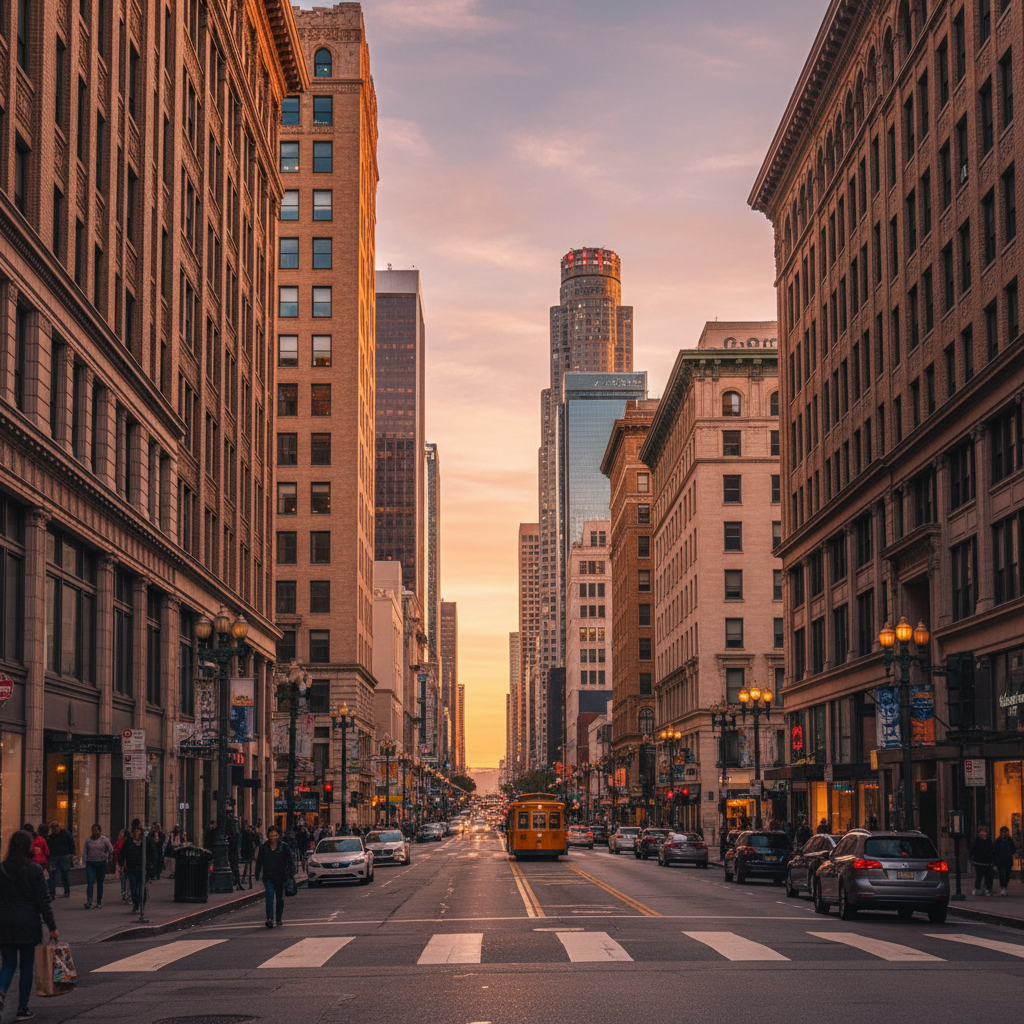
The Historic Core is the original commercial heart of Los Angeles and the district where loft living in this city actually began. It runs along four streets: Los Angeles Street between 2nd and 6th, Spring Street and Main Street between 2nd and 7th, Broadway between 2nd and 9th, and Hill Street between 2nd and 10th. The Jewelry District sits to its west, Little Tokyo and Skid Row to its east, and the Financial District begins west of Hill.
What makes it distinctive is that almost nothing here was built as housing. These are Beaux-Arts and Art Deco office and department-store buildings from the 1890s to the 1930s, which emptied out as business moved west and then sat largely vacant for decades. In 1999 the Los Angeles City Council passed the Adaptive Reuse Ordinance, which let owners convert older, unused office buildings into apartments and lofts without meeting the full requirements that apply to new construction. Developer Tom Gilmore bought a group of century-old buildings around Main and Spring and converted them into what is now called the Old Bank District — the first cluster of its kind in Downtown, and the proof of concept for everything that followed in the Arts District and beyond.
The result is a district of genuinely old buildings: high ceilings, deep floor plates, original steel windows, lobbies and elevator cabs that predate the Second World War, and unit layouts that follow whatever the original office floor allowed rather than a developer's template. Two buildings on the same block can be completely different propositions.
The Loft Market Here
Historic Core lofts are conversions rather than purpose-built units, and that is the single most important thing to understand before touring here. Floor plans are inherited from office buildings, so you will see true open spans, odd columns, mezzanines where ceiling height allowed one, and windows whose size and placement were decided in 1915. Ceiling heights are often well above anything in new construction.
Notable conversions in and around the district include the Eastern Columbia Building at 849 S Broadway — the turquoise terra-cotta Art Deco landmark, now Eastern Columbia Lofts — along with the Rowan Building, the Douglas Building, El Dorado Lofts, Pan American Lofts, the Higgins Building and the Pacific Electric Building. Several of these were part of the first wave of Adaptive Reuse Ordinance projects.
Practical points worth raising with an agent: HOA dues in converted historic buildings cover maintenance on building systems that are often a century old, so dues and reserve studies deserve a close read. Parking is rarely on-site in the oldest conversions and is frequently a leased space in a nearby structure. Some buildings in the district carry a Mills Act contract, which can substantially reduce property tax, but the City of Los Angeles is not currently accepting new Mills Act applications — so a contract is something you inherit by buying a building that already has one, not something you can apply for afterwards.
Featured Buildings
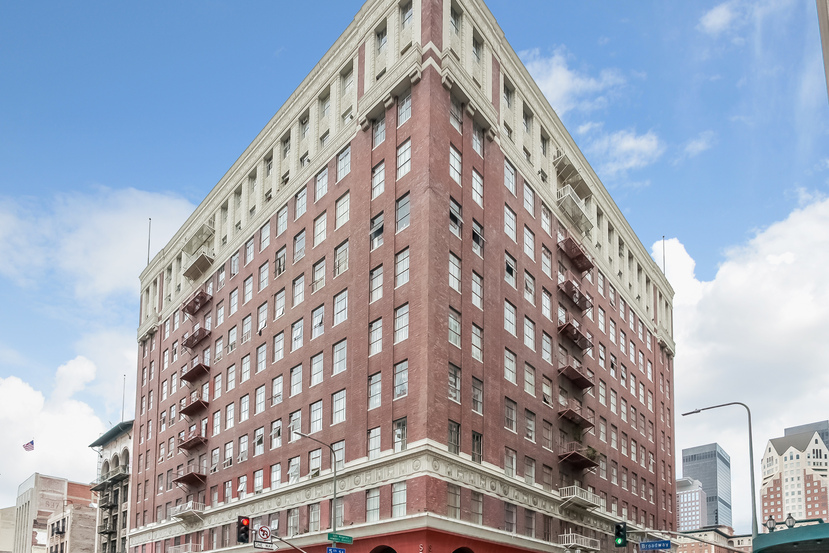
SB Grand
312 W 5th St, Los Angeles, CA 90013
Historic Core
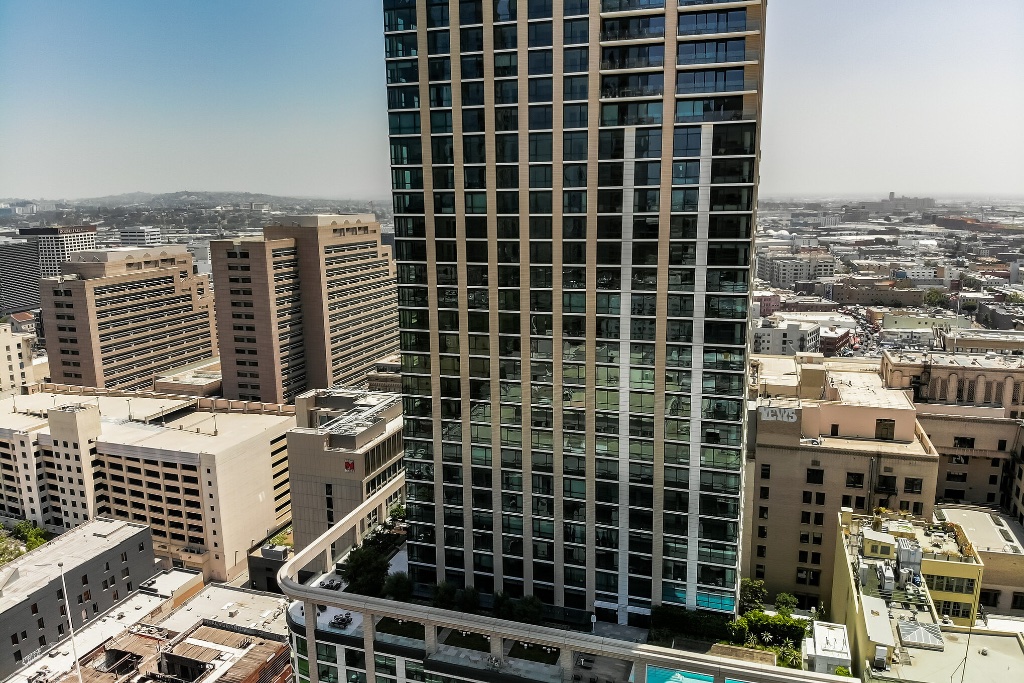
Perla On Broadway
400 S Broadway, Los Angeles, CA 90013
Historic Core
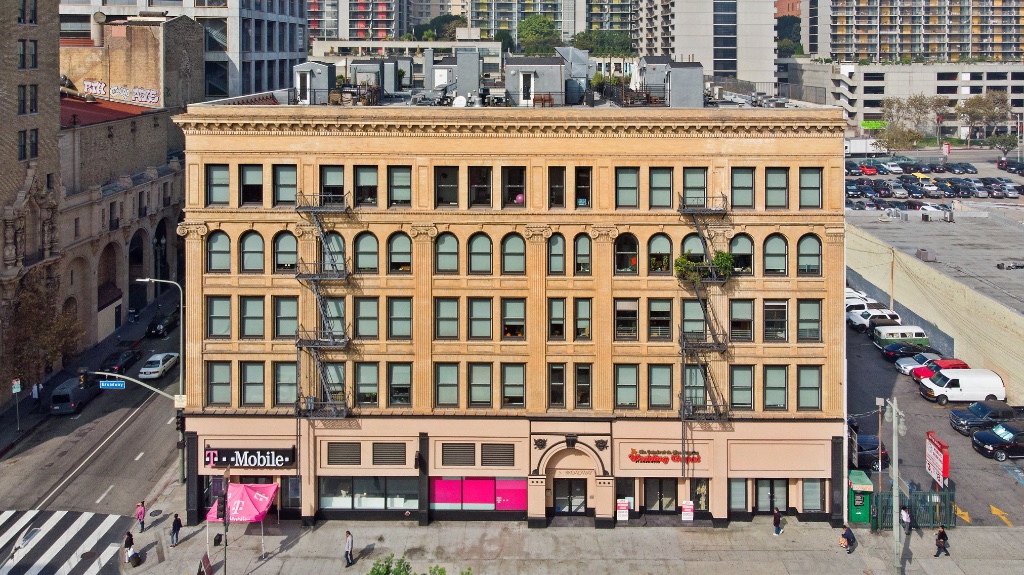
Pan American Lofts
253 S Broadway, Los Angeles, CA 90012
Historic Core
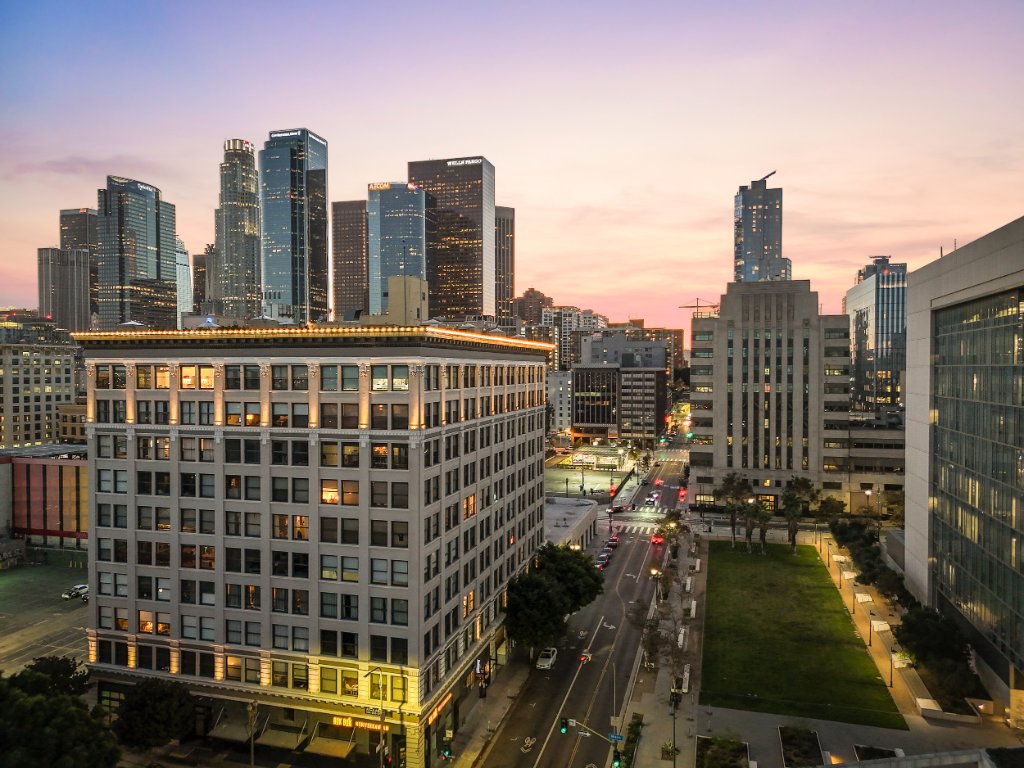
Higgins Building
108 W 2nd St, Los Angeles, CA 90012
Historic Core
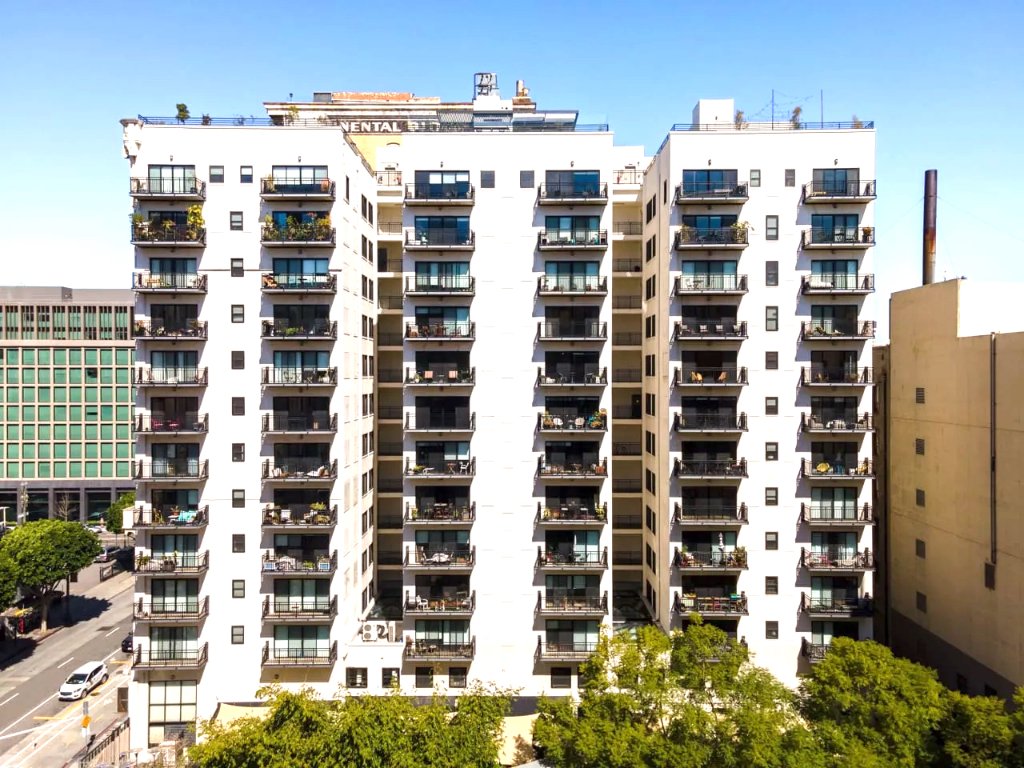
El Dorado Lofts
416 S Spring St, Los Angeles, CA 90013
Historic Core
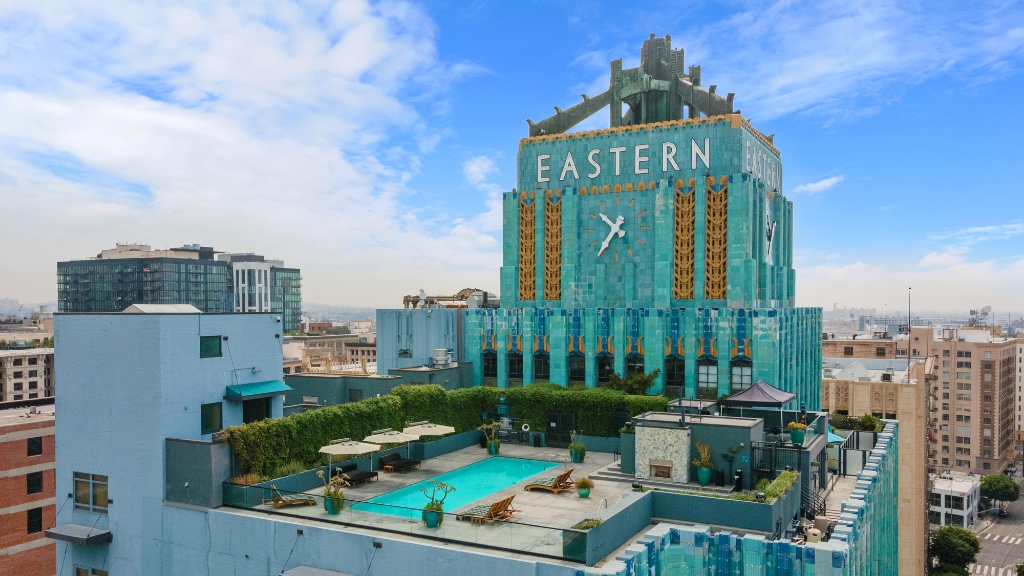
Eastern Columbia Lofts
849 S Broadway, Los Angeles, CA 90014
Historic Core
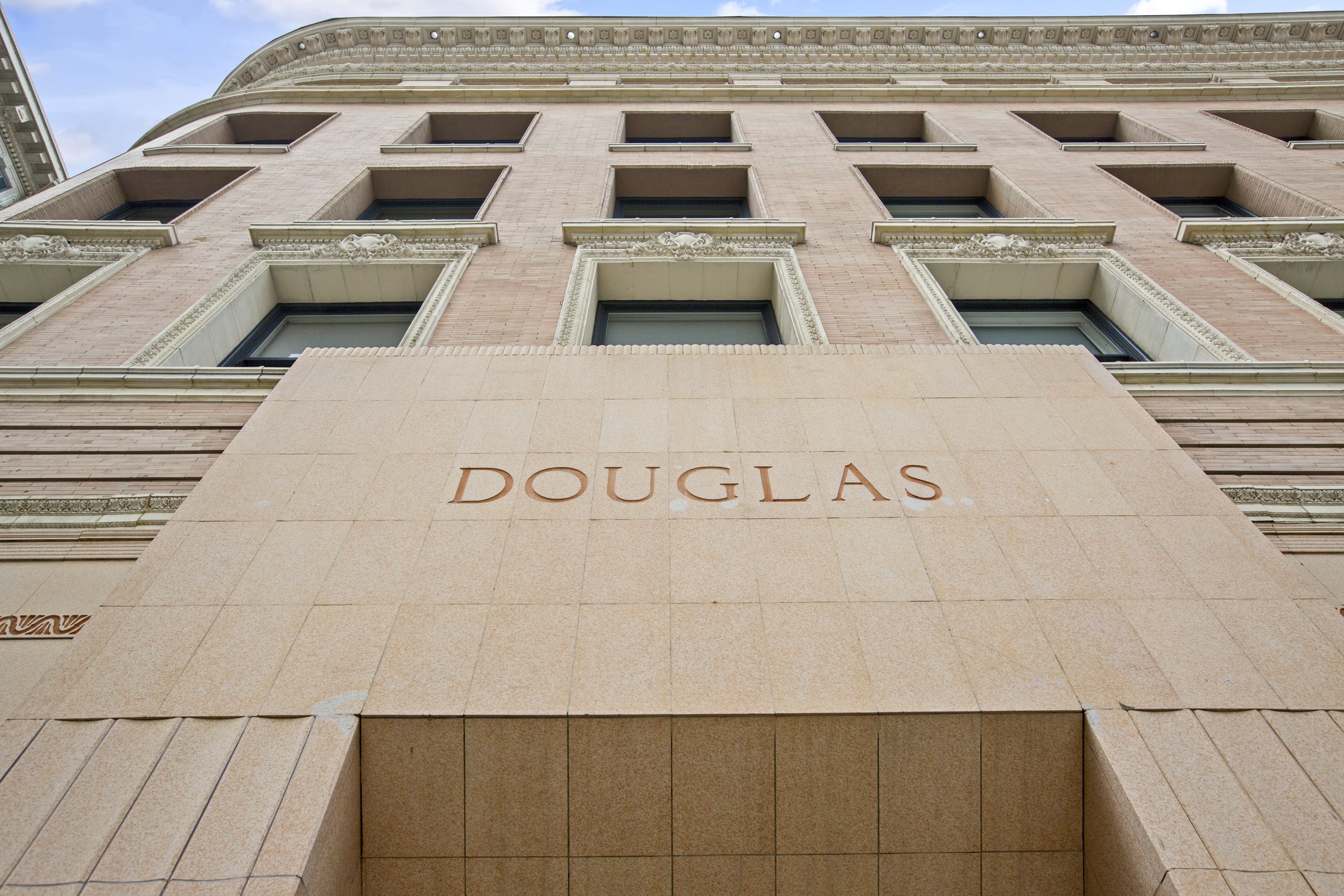
Douglas Building
257 S Spring St, Los Angeles, CA 90012
Historic Core
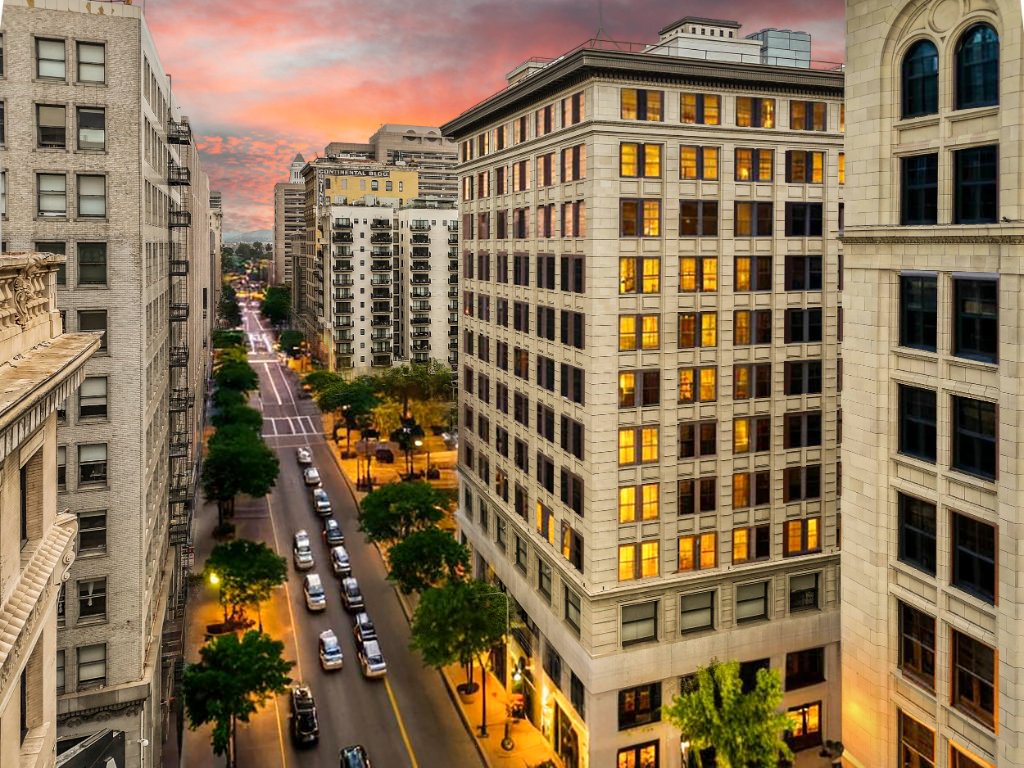
Rowan Building Lofts
460 S Spring St, Los Angeles, CA 90013
Historic Core
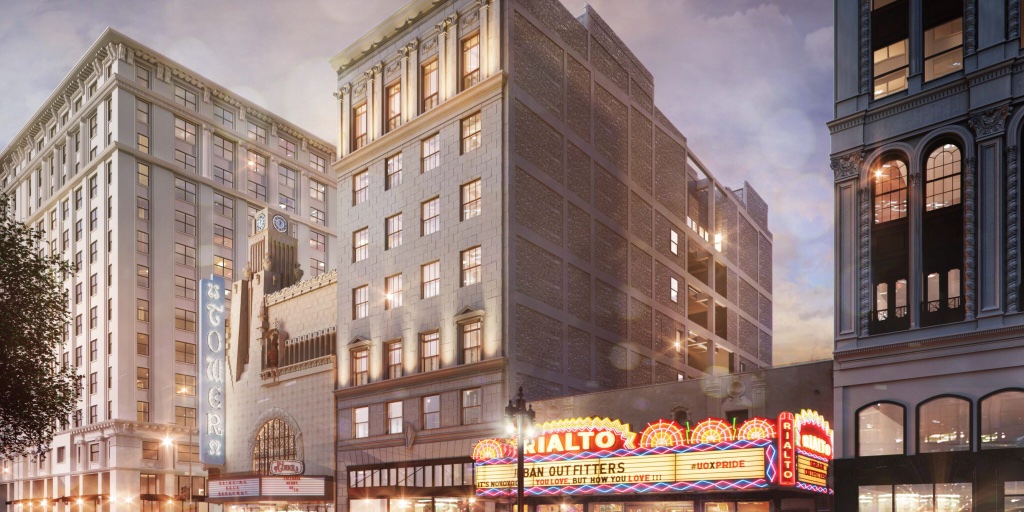
The Singer
808 S Broadway, Los Angeles, CA 90014
Historic Core