
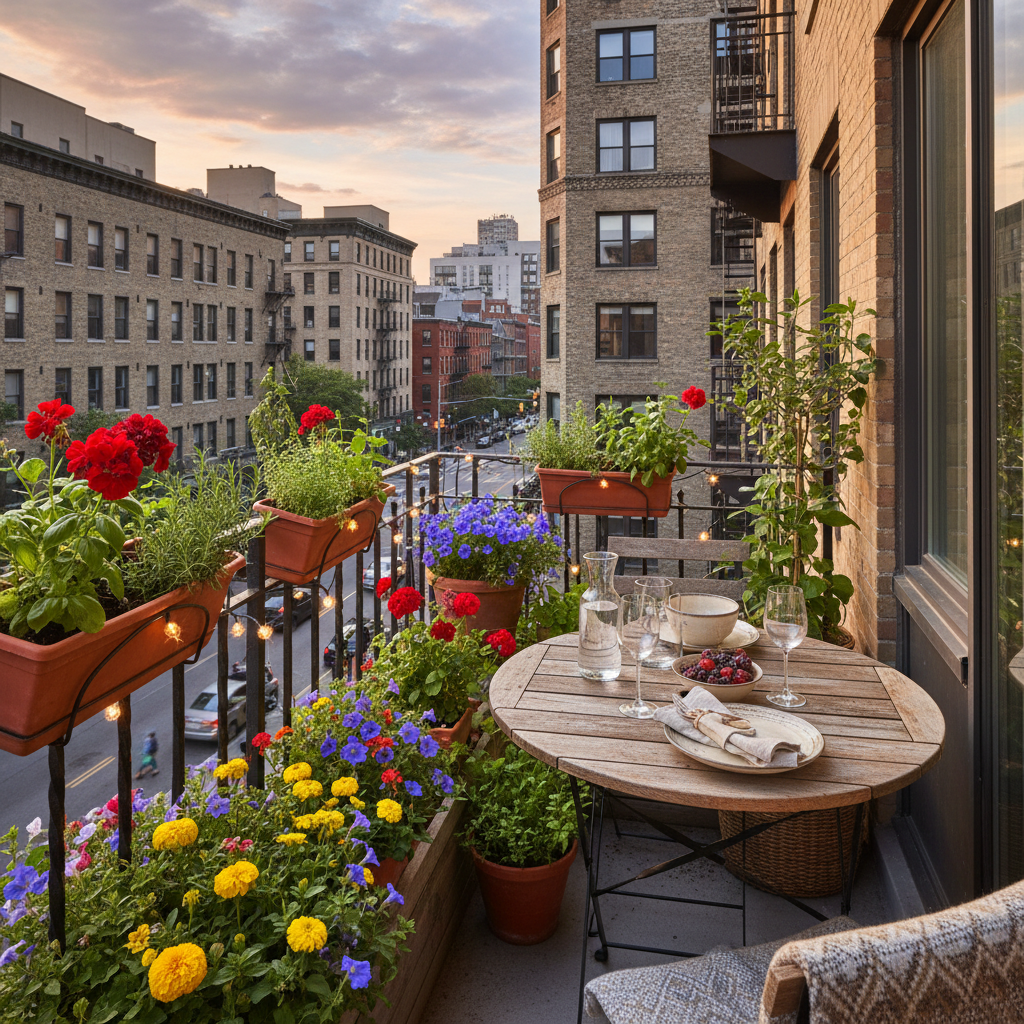
YOUR PRIVATE OUTDOOR ESCAPE: SMALL-SPACE DECK IDEAS FOR CITY LIVING
Our Blog
City life comes with undeniable perks—walkable neighborhoods, skyline views, and architecture with character. But when it comes to outdoor space, urban homes often mean working with less. A small balcony, a narrow terrace, or a slim rooftop isn’t just a bonus—it’s a chance to create something personal.
With thoughtful design, even the most compact outdoor area can become a space you look forward to using. Whether it’s a quiet spot for morning coffee or a place to host friends, smart choices in layout and materials can transform the way your home feels.
Here’s how to make the most of every square inch—no yard required.
Think Vertical: Making the Most of Limited Square Footage
In tight urban spaces, vertical design adds function without taking up floor area. Wall-mounted planters, hanging gardens, and trellises bring in texture and greenery while keeping the layout clean. Built-in benches with hidden storage or slim-profile furniture maximize usability without overwhelming the space.
Railings offer another opportunity. Glass or cable systems keep sightlines open, making a small deck feel noticeably larger. If privacy’s a concern, tall planter boxes or slatted wood screens offer seclusion without shutting down light or airflow.
It’s often these subtle, space-conscious decisions that shift a setup from cramped to comfortable.
Materials Matter: What Works Best in Compact Outdoor Spaces
Some materials may look great in theory, but they tend to dominate a small area. Others—such as composite decking in lighter finishes—create a space that feels open and inviting. They reflect more light, require less upkeep, and pair naturally with understated railings or neutral-toned accents.
Board direction also makes a difference. Laying planks lengthwise or diagonally can guide the eye outward and stretch the visual footprint.
If you’re planning a build, start with a quick search—type deck builder near me into your browser and compare local portfolios. Look for work that shows care in scale, balance, and detail.
Design Themes That Make Small Spaces Feel Bigger
A limited footprint doesn’t shrink your options—it sharpens them. Clean lines, focused palettes, and a handful of strong textures often do more for a small space than bulky décor or mismatched pieces.
Minimalist themes help keep things calm and uncluttered. A neutral boho approach—soft textiles, layered greenery, and woven materials—adds warmth without visual weight. Urban luxe is characterized by contrast, featuring black metal frames, concrete details, and structured lighting.
No matter the style, scale is key. Low-profile seating, narrow tables, and carefully chosen surfaces help the space feel polished and intentional.
Rooftop Decks & Balcony Builds: What’s Possible (and What to Watch For)
Rooftops and balconies offer rare outdoor real estate in the city, but they come with restrictions. Structural load limits, fire codes, HOA regulations, and access constraints all factor into what you can build.
Smaller rooftops may require lighter materials, built-ins, or minimal furniture to preserve open space. Balconies often benefit from custom railings and streamlined layouts to avoid crowding the area.
Roof deck design ideas that work well in urban settings tend to favor proportion, clear sightlines, and a visual connection between indoors and out. With the right layout, even a tight rooftop can feel surprisingly open.
Where Style Meets ROI: Outdoor Upgrades That Add Property Value
In urban real estate, outdoor space is more than a lifestyle perk—it’s a value booster. A well-designed deck or balcony can significantly enhance a property’s curb appeal, help a listing stand out, and improve the overall experience of the space.
Upgrades like built-in planters, ambient lighting, or high-performance decking make a strong impression. They also photograph beautifully and convey quality and care, which is especially important in competitive markets.
These elements align with broader design trends that elevate high-end living, where every square foot is intentional. A great outdoor space doesn’t just complete the home—it enhances how it’s remembered.
Conclusion: Design Your Escape, Even in the City
Small outdoor spaces don’t have to feel like an afterthought. With smart planning and the right materials, a balcony or rooftop can become one of the most livable areas in your home. These are the places where city life feels a little quieter, a little calmer, and a lot more personal.
Done right, they aren’t just extras. They’re essential.