
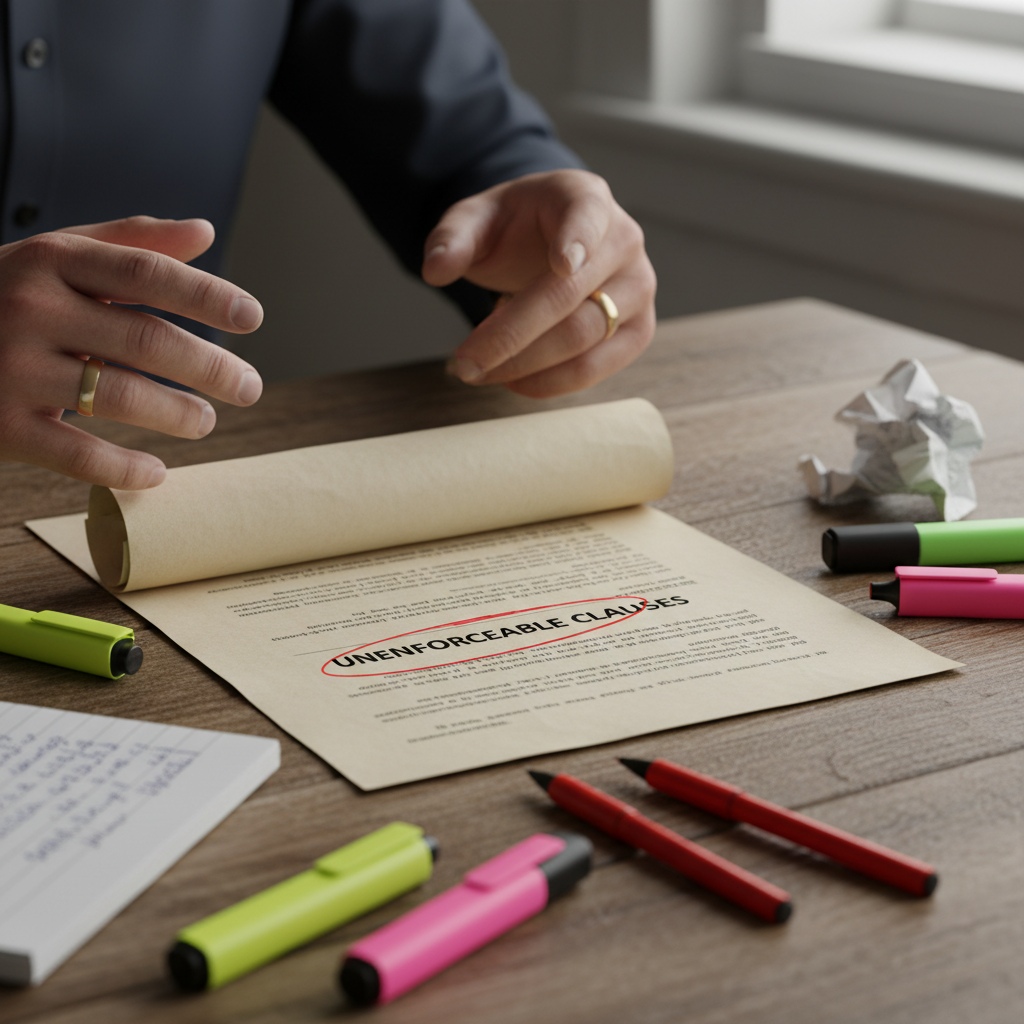
WHY YOU SHOULDN’T ADD UNENFORCEABLE CLAUSES TO YOUR LEASE
Our Blog
As a landlord, it’s tempting to tweak a lease to cover every scenario and protect yourself as much as possible. Maybe you want to make sure a tenant can’t break their lease early, waive their right to sue, or guarantee that you’ll keep the entire security deposit no matter what. On paper, those clauses might sound like they give you more control. In reality, they don’t.
The Reality of Lease Law
Leases aren’t just contracts—they’re governed by landlord-tenant laws that override anything you try to slip in. Courts will not enforce provisions that go against state or local law. For example:
-
You cannot waive your obligation to provide a habitable unit.
-
You cannot deny a tenant’s right to basic legal protections.
-
You cannot keep a security deposit “no matter what” if the law requires accounting and refunds.
Even if a tenant signs a lease with one of these clauses, it won’t hold up in court.
Why It’s a Bad Idea
Adding unenforceable clauses does more harm than good:
-
It creates false security. You think you’re protected, but the law says otherwise.
-
It can weaken your lease. A judge may strike the entire section, and in some cases, it reflects badly on you as the landlord.
-
It can damage trust. Tenants who notice unfair or illegal language may view you as predatory, making disputes more likely.
What to Do Instead
If you want more protection, the key is to use enforceable tools that work within the law:
-
Clear maintenance responsibilities spelled out properly.
-
Detailed move-in condition reports to protect your right to withhold for real damages.
-
Attorney-reviewed leases tailored to your state.
Bottom Line
The safest, most effective lease is one that is legally enforceable from start to finish. Inserting clauses you wish could be enforced only sets you up for disappointment and conflict. Stick to what the law allows, and you’ll have a lease that actually works for you—not one that falls apart the moment it’s tested.