WHAT SMART CITY LIVING REALLY MEANS FOR TODAY’S HOMEOWNERS
Our Blog
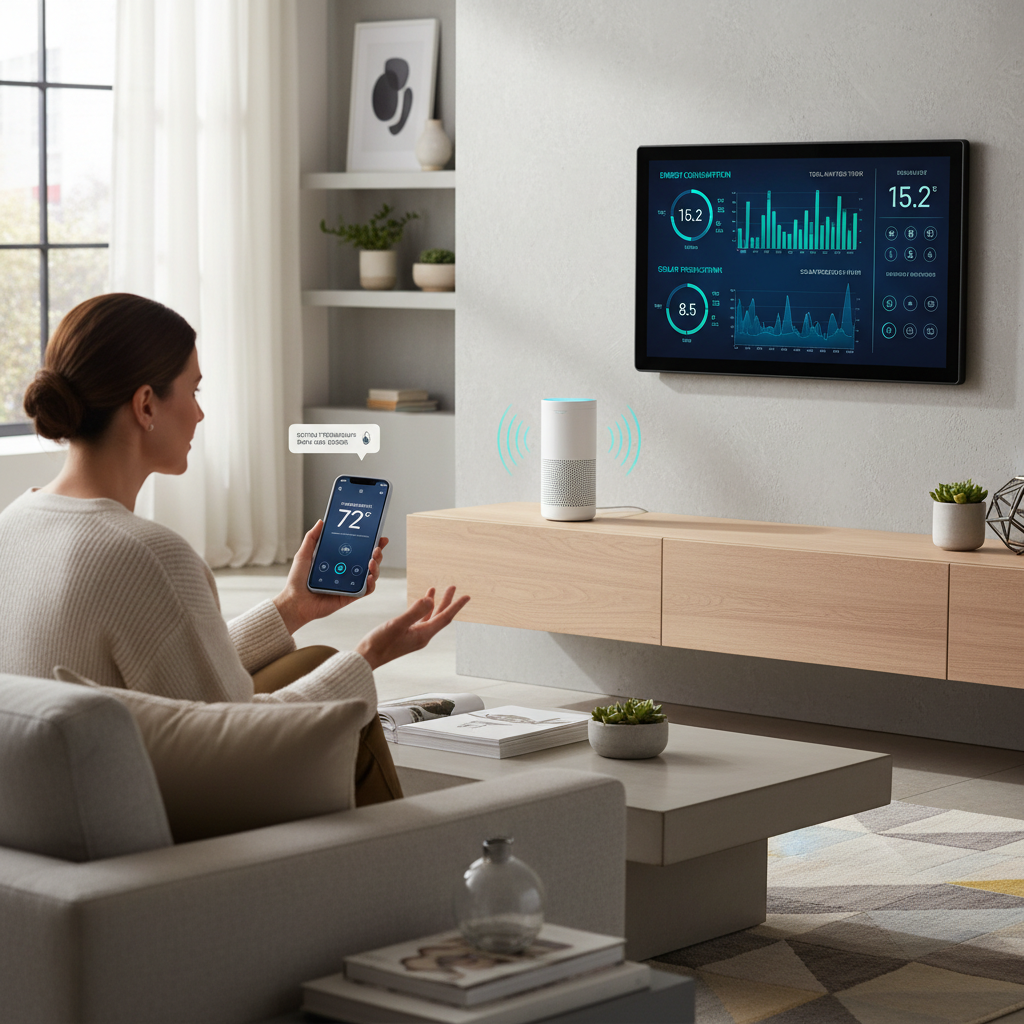
Remember when adjusting the thermostat meant walking across the room and fiddling with a dial? Those days feel surprisingly distant in today’s tech-driven world. With smart speakers, energy-efficient devices, and apps that let us control lights from across the globe, the modern home is more connected than ever. But smart living doesn’t stop at your front door—it’s being woven into the very fabric of our cities.
Smart city living is no longer a buzzword. It’s becoming the reality for more and more homeowners. From real-time traffic data to neighborhood-wide energy efficiency programs, these changes are reshaping how we live, work, and interact with our environment.
As smart cities become more connected through digital services and decentralized technologies like Byte Federal’s network, homeowners are starting to experience real changes in how they live, save, and interact with their homes.

What makes this shift so interesting is that it’s happening gradually, often without people realizing it. From the app you use to pay for parking to the alerts you get during severe weather, the infrastructure of a smart city is already touching your daily routine. For homeowners, that means greater efficiency, increased control, and new ways to engage with the community—all through the integration of digital technology.
What Is a Smart City, Really?
The term “smart city” might sound futuristic, but it simply means a city that uses technology to run more efficiently and improve the lives of its residents.
This can include:
- Smart traffic systems that reduce congestion
- Public Wi-Fi in parks and transport hubs
- Sensor-enabled streetlights that adjust brightness based on activity
- Digital payment systems for public transit and city services
In short, smart cities use tech tools—like the Internet of Things (IoT), artificial intelligence, and data analytics—to enhance everyday life. And these systems increasingly interact with the homes people live in.
It’s not just about big infrastructure projects either. Smart cities often incorporate input from residents through apps, surveys, and real-time data to make improvements. For instance, garbage bins with sensors can notify waste management when they’re full, saving fuel and labor. Or noise monitoring tools can help city planners understand where new sound barriers or green spaces are needed. All of these improvements contribute to a smoother, more responsive urban experience that directly benefits homeowners. Electric vehicle integration
How Smart Cities Impact Your Home
You might be wondering: What does city-wide tech have to do with my house?
A lot, actually. As cities upgrade their infrastructure, they’re bringing smart capabilities closer to homeowners in real, tangible ways.
1. Smarter Utilities
Smart meters are now replacing old utility systems. These devices:
- Track your energy or water usage in real-time
- Help identify waste or leaks
- Allow you to manage consumption more precisely
That means more accurate billing and opportunities to save money just by being more aware of your usage.
In some cities, smart meters are even paired with online dashboards or mobile apps that allow homeowners to view their consumption hour-by-hour. This makes it easier to spot patterns—like that dishwasher that’s running during peak energy times—and adjust habits to save more. Over time, these small changes can add up to significant savings, both for individual households and the broader community.
2. Connected Convenience
Living in a smart city often means faster, more reliable internet and better mobile connectivity—crucial for today’s smart homes. This supports:
- Smart doorbells and security cameras
- App-controlled appliances
- Real-time alerts for deliveries or visitors
You can even sync your smart home system with citywide alerts for weather, road closures, or emergencies.
For homeowners who rely on remote work, virtual learning, or telehealth services, this level of connectivity is more than just a luxury—it’s essential. And with 5G infrastructure expanding in many smart cities, latency is reduced and response times for smart devices are faster and smoother. That means your smart fridge, thermostat, or security system can operate more efficiently without lag or interruptions.
3. Home Safety, Reinvented
Smart city infrastructure can make entire neighborhoods safer:
- Streetlights that brighten when motion is detected
- Emergency services that respond faster with location data
- Community crime tracking and digital neighborhood watch tools
Your smart home isn’t just about comfort—it can be about peace of mind, too.
Some cities are also integrating gunshot detection sensors, fire alert systems, and predictive policing technologies that work in tandem with home security systems. If your smart camera picks up suspicious activity, for instance, it can send a clip directly to local law enforcement or a neighborhood safety group. In effect, your home is no longer an isolated entity—it’s part of a network of connected safety tools working to protect your entire community.
The Financial Benefits for Homeowners
Smart living isn’t just about cool gadgets. For homeowners, it can also bring real financial benefits.
Lower Energy Bills
By using smart thermostats, lights, and appliances, you can cut down on wasted energy. Many systems even “learn” your habits over time to optimize efficiency.
Increased Property Value
Buyers today are looking for homes that are future-ready. Features like solar panels, EV charging stations, or smart security systems can boost the appeal—and price—of your home.
Tax Credits and Rebates
Many local governments offer incentives for adopting smart tech:
- Tax breaks for energy-efficient upgrades
- Rebates for solar panel installations
- Discounts for smart water-saving systems
Always check with your local municipality or utility provider to see what’s available in your area.
The Challenges to Be Aware Of
Of course, smart living isn’t perfect. There are a few hurdles homeowners should be aware of:
Privacy and Data Concerns
Many smart devices collect data to operate efficiently. It’s important to:
- Read privacy policies
- Use secure Wi-Fi networks
- Regularly update device software
Upfront Costs
Smart tech can save money over time, but the initial investment can be significant. Start with affordable upgrades—like smart plugs or LED lighting—and build from there.
Tech Overload
Not everyone wants (or needs) every smart device on the market. Focus on tools that actually improve your lifestyle, rather than getting overwhelmed by options.
What the Future Holds for Smart City Homeowners
Looking ahead, smart cities are set to become even more integrated with the way our homes operate. Imagine:
- Homes that communicate with the grid to use power when it’s cheapest
- Decentralized finance options that make buying or upgrading a home easier
- Urban planning driven by real-time data, improving walkability and green spaces
Sustainability will also play a bigger role. Smart homes will increasingly include solar energy, electric vehicle integration, and real-time monitoring to reduce environmental impact.
Conclusion: Living Smarter, One Step at a Time
Smart city living isn’t about becoming a tech expert overnight. It’s about embracing small changes that make life easier, safer, and more efficient.
As cities continue to evolve, homeowners who adapt and stay curious will be the ones who benefit most. Whether it’s cutting your energy bill, boosting your home’s value, or simply feeling more connected to your community, smart living is here—and it’s making everyday life a whole lot better.
So take the first step. Even if it’s just a smart lightbulb today, your future home is already getting smarter.