
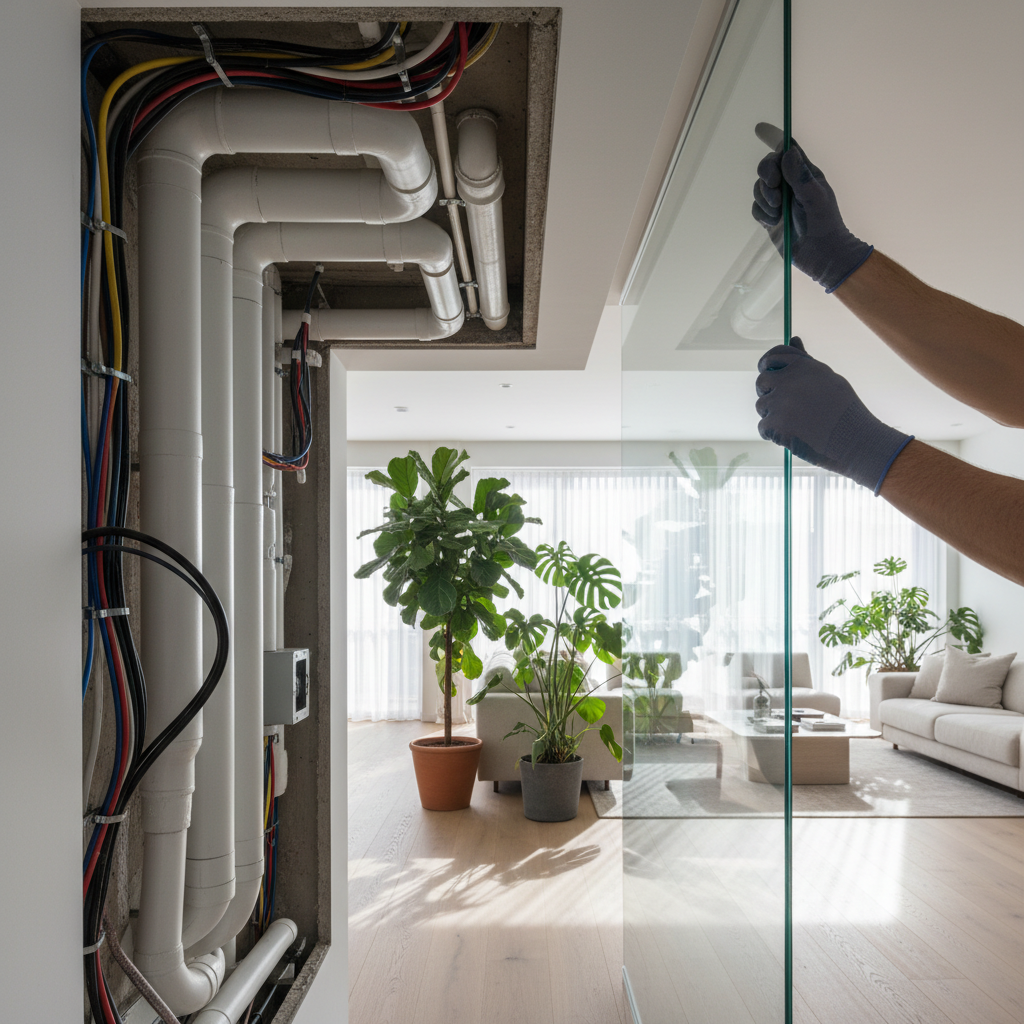
THE HIDDEN INFRASTRUCTURE BEHIND BEAUTIFUL HOMES
Our Blog
Modern homes are often celebrated for their visual impact. Clean lines, open spaces, natural materials, and carefully curated details define contemporary residential design. These elements shape how a home is experienced at first glance, creating a sense of order, calm, and intention.
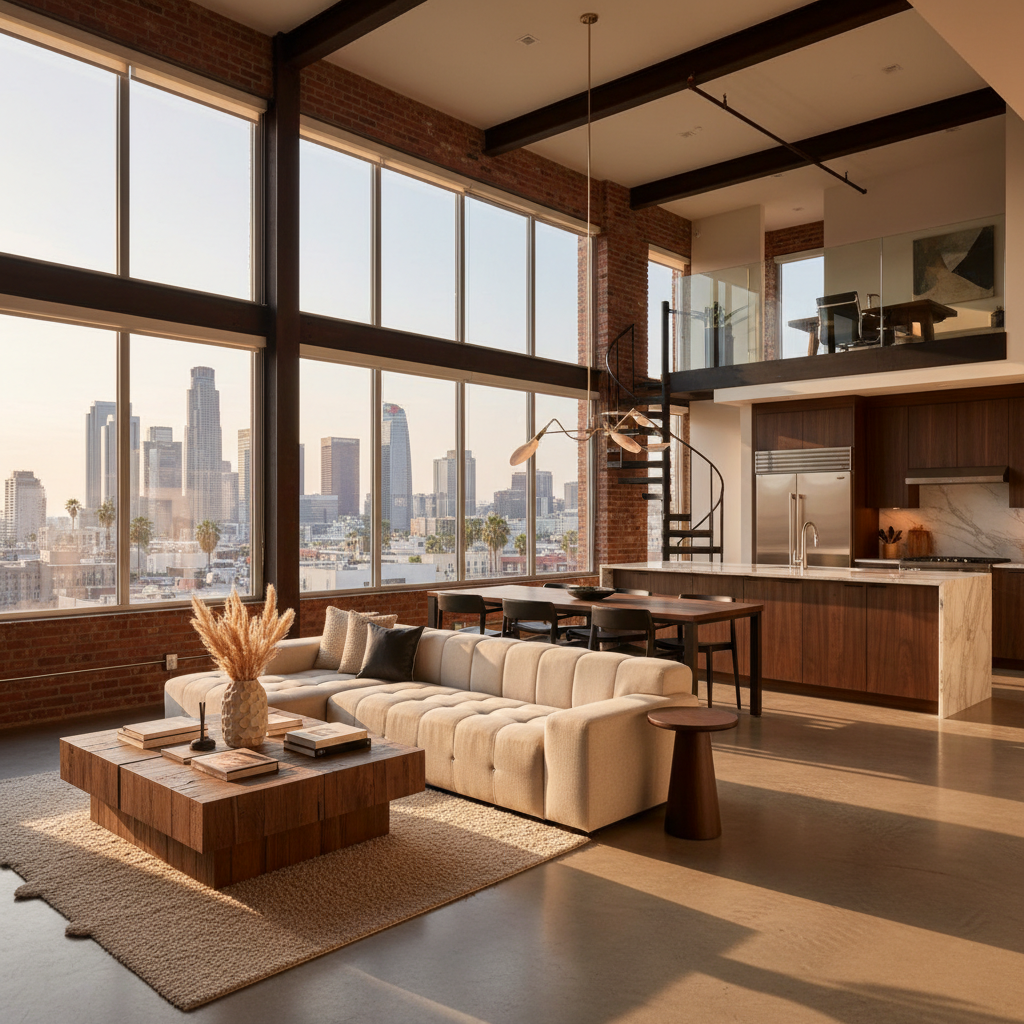
Yet the true performance of a home is not determined by what is visible. Behind every polished surface and architectural statement lies a network of systems that make daily life possible. Plumbing, electrical infrastructure, and water management operate quietly in the background, supporting every routine without drawing attention, until something goes wrong.
In design-forward environments, this contrast becomes even more pronounced. The more refined the space, the more disruptive any failure can feel.
When Aesthetics Meet Functionality
Architectural design has increasingly embraced minimalism. Surfaces are simplified, storage is integrated, and mechanical elements are concealed to preserve visual clarity. While this approach enhances the overall aesthetic, it also places greater importance on the systems that remain hidden.
A well-designed home must function as seamlessly as it looks. Water should flow consistently, drainage should operate efficiently, and every system should respond without delay. When these expectations are met, the result is effortless living.
However, when they are not, even a minor issue can disrupt the entire experience. A leak, a blockage, or a sudden system failure stands in stark contrast to the precision of the surrounding design.
This is where having access to a fast emergency plumber in Adelaide becomes essential. In homes where detail and finish matter, quick and effective resolution is not just about restoring function, it is about preserving the integrity of the space.
The Systems That Support Everyday Living
Despite their importance, core home systems are often overlooked during the design process. Plumbing, in particular, is frequently treated as a technical requirement rather than a defining element of livability.
In reality, it plays a central role in shaping daily routines. Kitchens, bathrooms, and utility spaces all depend on reliable water systems. Even small inconsistencies, such as fluctuating pressure or slow drainage, can affect how a space is used.
Electrical systems, heating, and ventilation contribute in similar ways. Together, these elements create an environment that supports comfort, efficiency, and functionality.
The challenge is that these systems are rarely visible. Their success is measured by their absence, by the fact that they do not interrupt the experience of living in the space.
Why Failures Feel More Significant in Modern Homes
In highly designed environments, expectations are elevated. Every element is intentional, and every detail contributes to a cohesive whole. When something fails, it breaks that continuity.
A plumbing issue in a traditional home may be inconvenient. In a minimalist, design-led space, it can feel disproportionately disruptive. Clean surfaces are compromised, hidden systems become exposed, and the sense of control that defines the design is temporarily lost.
This is why response time is critical. The faster an issue is addressed, the less impact it has on both the functionality and the aesthetic of the home.
The Role of Preventive Maintenance
While emergency response is essential, prevention remains the most effective strategy. Regular inspections, timely servicing, and attention to system performance reduce the likelihood of unexpected failures.
Preventive maintenance ensures that systems continue to operate as intended, supporting the design rather than undermining it. It also extends the lifespan of key components, protecting the investment made in both the structure and its finishes.
According to the International Code Council, maintaining building systems in accordance with established standards is critical to ensuring safety, efficiency, and long-term performance. This reinforces the idea that infrastructure is not separate from design, it is an integral part of it.
Designing for Long-Term Performance
As architectural priorities evolve, there is growing recognition that functionality must be considered alongside aesthetics from the outset. This includes not only the selection of materials and layouts, but also the planning of systems that support the home over time.
Designing for accessibility, ease of maintenance, and system resilience ensures that the home remains functional long after its initial completion. It also reduces the likelihood of disruptive interventions in the future.
This approach reflects a broader shift in how value is defined. A home is no longer judged solely by how it looks, but by how well it performs across different conditions and over extended periods.
A More Complete Vision of Modern Living
The most successful modern homes achieve a balance between form and function. They offer visual clarity without sacrificing reliability, and they integrate systems in a way that supports rather than detracts from the living experience.
This balance requires a deeper understanding of what makes a space truly livable. It is not just about design, but about the infrastructure that sustains it.
When everything works as intended, the result is a home that feels effortless. When it doesn’t, the importance of those hidden systems becomes immediately clear.
Beautiful homes are defined not only by their design, but by their ability to function without interruption. The systems behind the walls, plumbing, electrical, and beyond, play a central role in delivering that experience.
By recognizing their importance, investing in their maintenance, and ensuring access to reliable support when needed, homeowners can protect both the performance and the integrity of their spaces.
In the end, the true measure of a well-designed home is not just how it looks, but how well it works, every day, without exception.