
HOW TO SET UP A WORK LOFT FOR YOUR CREATIVE BUSINESS
Our Blog
A work loft can be an ideal base for a creative business. Open floor plans, high ceilings, and adaptable interiors provide room to build a workspace that feels genuinely separate from a conventional home office while keeping your commute remarkably short.
For designers, photographers, consultants, artists, and other creative professionals, creating an effective work loft environment requires more than putting a desk in the corner. From establishing clear zones to considering clients, storage and business responsibilities, here’s how a little planning can turn a loft into a space where creativity and productivity can comfortably coexist.
Give Each Element of Your Business Its Own Zone
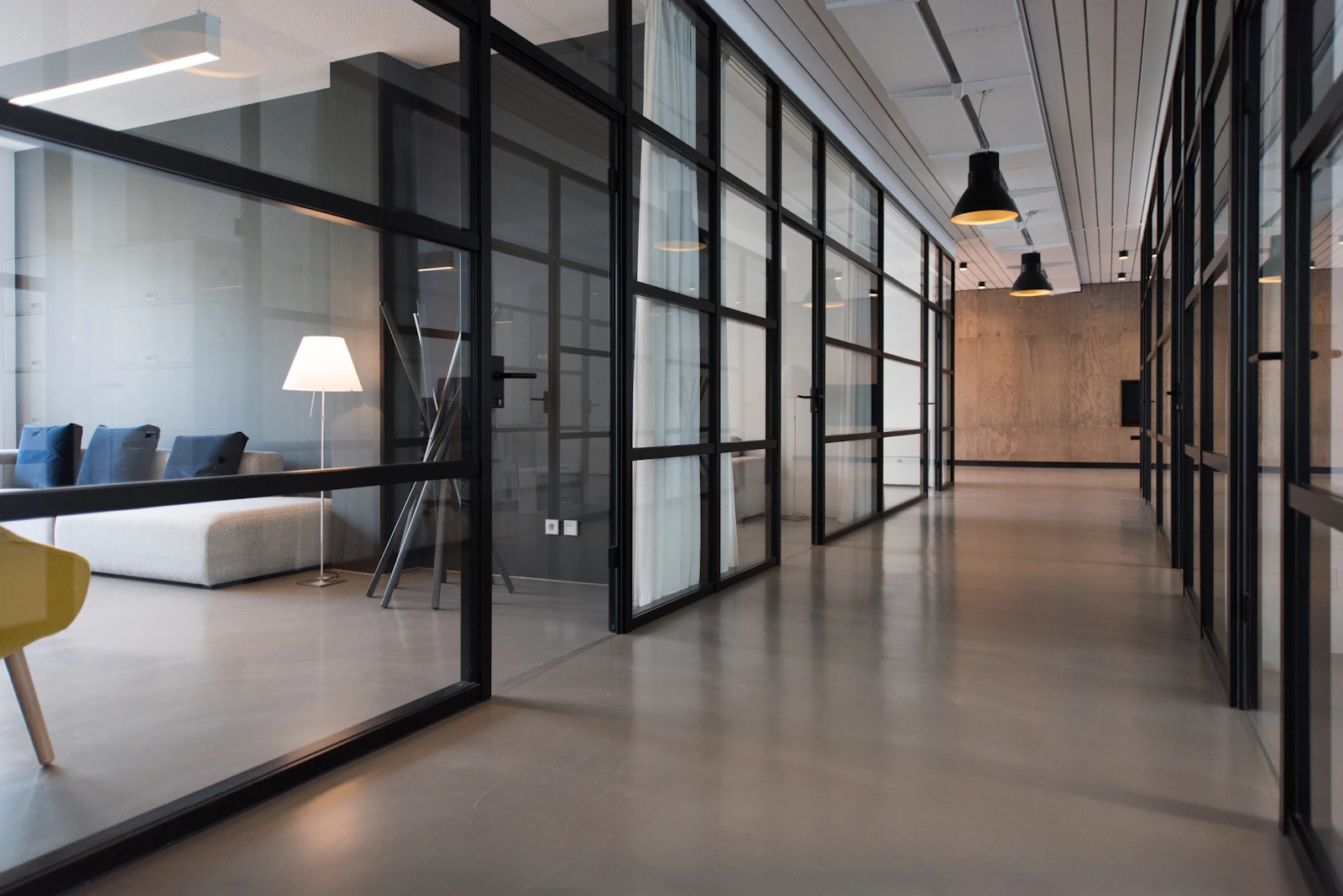
One of the biggest advantages of a loft is its open floor plan. Rather than working around predetermined rooms, you can decide how much space each part of your business requires. Start by establishing a dedicated working area. Open shelving, freestanding storage, large tables, and movable partitions can create distinct zones without sacrificing the spacious character of the loft.
Keeping equipment and materials within a defined area can also prevent work from one area of the business, such as the finances, gradually spreading throughout the entire space, interrupting the creative elements.
Consider the Business Side of Your Workspace
Setting up the physical workspace is only part of establishing a professional operation. You will also need to think about contracts, bookkeeping, client information, and the potential risks associated with the services you provide.
If clients rely on your professional expertise, advice, or services, you may want to consider whether a professional liability insurance policy is appropriate for your business. This type of insurance can provide coverage for certain claims involving professional errors, negligence, or failure to deliver services as promised.
Before settling into a loft, also confirm that your intended business activities are permitted. Depending on the property, there may be lease conditions, HOA rules, zoning requirements, or restrictions concerning visitors and commercial activity.
Design Around Your Everyday Work
A creative workspace should look good, but functionality needs to come first. Think about what you actually do during a typical working day and design the loft around those activities.
A photographer may need space for backdrops, lighting, and equipment. An artist might prioritize natural light and large work surfaces, while a graphic designer could require a substantial desk with room for several monitors. Consider how you move between different tasks as well. Keeping frequently used equipment close to the main work area can make the space more efficient and reduce unnecessary clutter.
Make the Most of Vertical Storage
Creative businesses often accumulate equipment, materials, samples, and unfinished projects. In an open loft, poor storage can quickly make the entire space feel disorganized. However, the high ceilings offer an opportunity to use vertical storage.
Tall shelving and cabinets can provide considerable capacity without taking up too much floor space. Items used every day should remain easy to reach, while less frequently needed materials can occupy higher shelves or storage areas farther from the primary workspace.
Create a Professional Area for Visitors
If clients, collaborators, or contractors occasionally visit your loft, think about what they will see when they arrive. You do not necessarily need a conventional meeting room; a small table and comfortable chairs may be enough to create a dedicated area for conversations, presentations or reviewing work.
Keeping this area tidy and relatively separate from equipment and ongoing projects can help your business make a more professional impression. It can also prevent visitors from interfering with active work areas.
Create a Loft That Supports Your Work
The best work loft is one designed around the person using it. A photographer will have very different requirements from an illustrator, consultant, or product designer, for example, so there is no single layout that works for everyone. Start with the practical essentials and simply allow the space to develop alongside your business.