
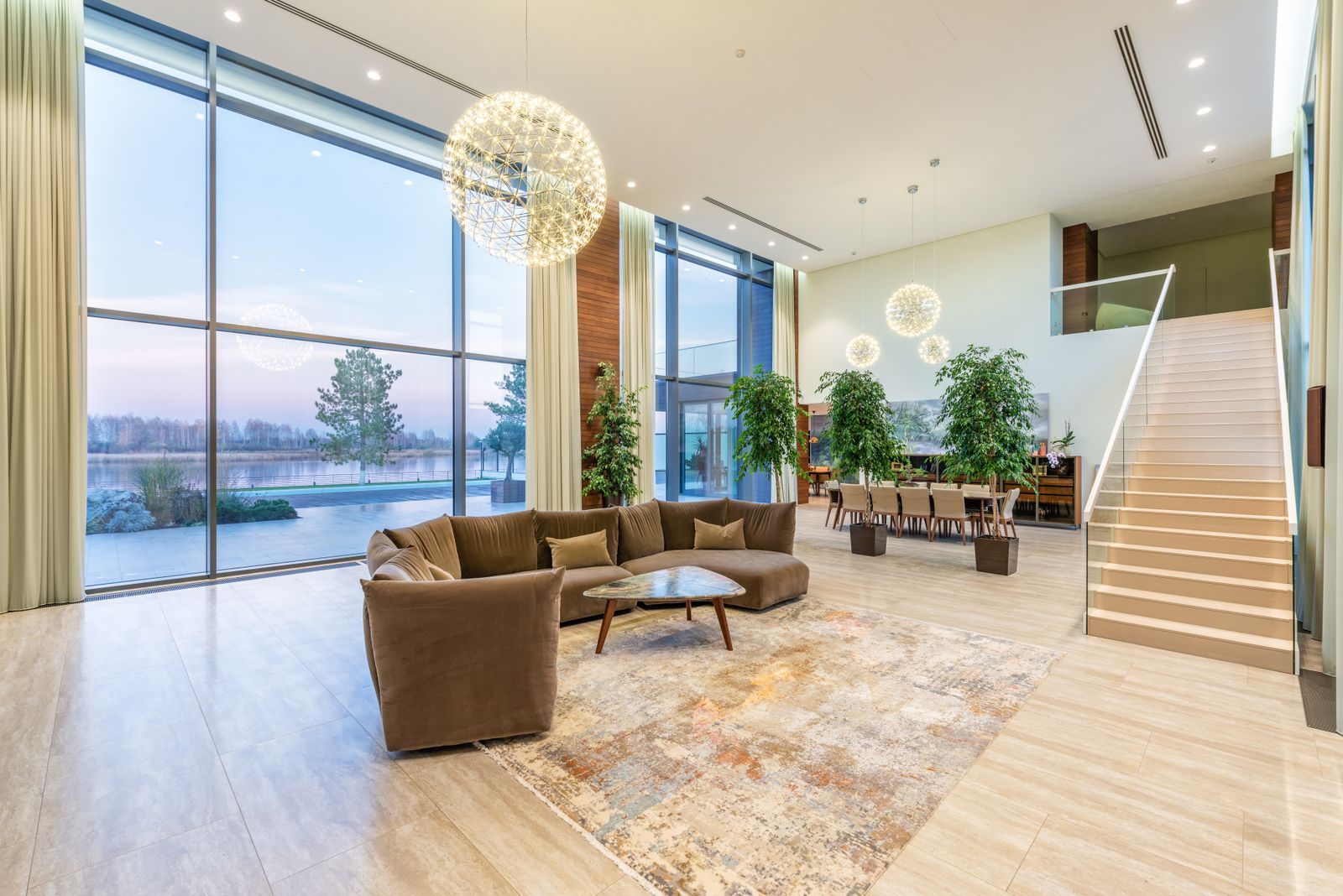
HOW TO CHOOSE THE RIGHT WINDOW COVERINGS FOR MODERN LOFT LIVING
Our Blog
Loft living has a raw, unmistakable character. Exposed beams, concrete ceilings, oversized windows, and open floor plans give these spaces their bold, modern appeal. But those same architectural features can make choosing window coverings more complicated than it would be in a conventional home.
Standard curtains or ready-made blinds may struggle with unusually tall, wide, or awkwardly positioned windows. The right window coverings should manage privacy, glare, and temperature without interrupting the open feel that makes loft living distinctive. Done well, they can frame the view, soften hard surfaces, and complement the architecture rather than compete with it.
Choosing the Right Specialist for Custom Window Coverings
For unusually large or non-standard loft windows, working with a window-covering specialist can make the process easier. Precise measurements, suitable materials, and correct installation are especially important when standard sizes do not match the proportions of the space.
A specialist such as Blinds N Shutters offers custom blinds, shutters, curtains, and other made-to-measure window coverings. Custom options can be particularly useful for lofts where oversized windows, unusual dimensions, or specific light-control requirements make ready-made products less practical.
When comparing suppliers, enquire about their product range, warranty terms, measuring process, and installation service. An in-home consultation can also be useful because it allows the space itself to guide the recommendation. Window dimensions, the direction and intensity of sunlight, privacy requirements, and existing interior finishes can all influence which solution works best.
Custom treatments may cost more initially, but they can provide a more precise fit and greater flexibility in materials, colours, and operating mechanisms.
Understanding the Unique Challenges of Loft Windows
Loft apartments often feature large areas of glass, including floor-to-ceiling windows, warehouse-style panes, and skylights. These features create a sense of openness, but they can also present challenges with glare, heat, privacy, and fitting.
Custom-made treatments are particularly useful when window dimensions fall outside standard size ranges. They allow coverings to be tailored to the actual proportions of the window while giving you more control over the finish and functionality.
Privacy can also become an issue in street-facing or lower-level lofts. In these spaces, the goal is often to reduce visibility from outside while still allowing natural light into the room. Sheer or translucent coverings can help maintain brightness during the day, while blockout options provide greater privacy when needed.
Skylights and windows that receive prolonged direct sunlight may require stronger UV and heat control. Suitable coverings can help reduce unwanted heat gain while protecting furniture, flooring, and other interior finishes from prolonged sun exposure.
Matching Window Coverings to the Loft Aesthetic
Loft interiors are often built around industrial or contemporary design elements, including exposed brick, concrete, steel, timber, and neutral colour palettes. Window coverings usually work best when they support this visual language rather than adding unnecessary decoration.
Streamlined roller blinds are a practical choice because of their simple profile. Blockout fabrics can provide stronger light control in bedrooms, while translucent or sheer rollers can soften harsh daylight in living areas without making the room feel closed in.
Plantation shutters can offer another option for lofts that need more texture and structure. Adjustable louvres provide control over light and privacy, while their clean lines can sit comfortably alongside timber, brick, or other architectural features.
Matte finishes and restrained tones such as charcoal, slate, soft grey, and earthy neutrals can complement concrete and metal surfaces without competing for attention.
Factoring in Light Management and Energy Efficiency
Large windows are one of the defining features of many lofts, but extensive glazing can also increase heat gain or heat loss depending on the climate, season, orientation, and building design.
Cellular or honeycomb blinds can help improve insulation around windows. Their pocketed construction traps air within the blind, creating an additional barrier between the glazing and the interior. Well-fitted window coverings can also reduce unwanted heat transfer, which may lessen reliance on heating or cooling.
For tall windows or hard-to-reach skylights, motorised coverings can make everyday operation much more practical. Depending on the system, blinds may be controlled using a remote, smartphone app, timer, or compatible smart-home platform.
Automation can also help manage sunlight throughout the day without requiring manual adjustments, which is useful in lofts with extensive glazing or windows positioned well above normal reach.
Practical Tips for Selecting Your Window Coverings
Measure Carefully
Loft windows often fall outside standard size ranges. Measure every window individually, even when several appear identical. Small variations can affect both fit and operation.
Consider Layering
Combining different treatments can provide more flexibility. For example, sheer curtains paired with blockout roller blinds can allow filtered daylight during the day and stronger privacy or darkness at night.
Think About Maintenance
Open loft spaces can collect visible dust, particularly around exposed beams, brickwork, and structural elements. Consider how easy the chosen material will be to clean and maintain over time.
Prioritise Cohesion
In an open-plan loft, window coverings are often visible from several parts of the space at once. Keeping colours, finishes, or styles consistent can create a more intentional and unified appearance.
Making the Final Decision
The best window coverings for a modern loft should respond to both the architecture and the way the space is used. Consider the size and position of the windows, the amount of natural light, privacy requirements, maintenance, temperature control, and the overall interior style.
Rather than choosing a treatment based on appearance alone, look for a solution that balances form with everyday function. Well-chosen coverings should feel like part of the loft itself, helping manage light and privacy while preserving the openness and architectural character that make the space distinctive.