
HOW STRONG ROOFING PROTECTS THE VALUE OF INVESTMENT PROPERTIES
Our Blog
Ask anyone what makes a property valuable and you'll hear the same answers: location, square footage, finishes. Granite counters, hardwood floors, maybe even the number of parking spots. Rarely does someone mention the roof. Yet, if you own an investment property, you know the truth—without a strong roof, everything else is just set dressing.
That roof isn't just a covering; it's the barrier between your building and years of weather abuse. Rain, snow, hail, summer sun—it all lands up there first. And here's the thing: when the roof fails, it's not just shingles that go bad. It's ceilings, drywall, insulation, electrical wiring, tenant trust, and eventually, your property value.
If you're serious about keeping your investment intact, it's worth talking with specialists at Dynamite Roofing. They live and breathe commercial roofing, which makes them the kind of partner you want before small problems snowball into major expenses.

The Roof as the First Line of Defense
Think of your roof as a helmet. You wouldn't send a football player or a motorcyclist out without one. Properties aren't much different. Storms hit, debris falls, and over time, even UV rays wear things down. Without that outer layer taking the hits, your property's bones wouldn't stand a chance.
Water is the real enemy here. It creeps in slowly, showing itself in ways that feel almost insulting—like a faint brown ring spreading across a ceiling tile, or a drip-drip sound at 3 a.m. The damage always feels worse because you know it's not just cosmetic. It's rot, mold, and repair bills piling up in the background.
Value Is More Than Numbers on a Spreadsheet
Investors often talk about "value" like it's purely financial. But let's be real—value is also about perception. Walk a buyer or tenant up to a building with curling shingles or mismatched patch jobs and their first thought isn't, what a great deal. It's, what's wrong inside if the outside looks like this?
A strong roof quietly reassures. It says, "this property is cared for." Appraisers notice it. Inspectors certainly do. And prospective tenants? They're just like anyone else—they're more likely to trust and pay for a place that feels solid.
It's not so different from showing up to an important meeting. You might be brilliant, but if you arrive in a wrinkled shirt and scuffed shoes, you've already lost half the room. Your roof is the pressed shirt and polished shoes of your building.
Long-Term Savings (and Hidden Profits)
Here's where things get interesting. Some owners try to save money with cheaper roofing materials or delayed repairs. And yes, on paper, it looks like savings. But long-term? It's the opposite.
A weak roof leaks—not just water, but money. Emergency repairs cost more than preventative maintenance. Insurance claims drag out and don't always pay what you think. Tenants leave because they don't want to live with buckets catching drips. Suddenly the cheap choice doesn't look so cheap anymore.
A strong roof, though, stretches every dollar. You're not replacing drywall every two years. You're not dealing with mold remediation crews. And your insurance company? They like you better when you're not calling every storm season. That difference—the money you didn't spend—is profit, even if it doesn't show up in your books with a big neon label.
Tenant Satisfaction: Dry Homes, Happy People
Tenants rarely notice when a roof is working. But they notice the second it isn't. Nobody wants to walk into a unit that smells faintly of damp carpet or has a suspicious stain blooming above the bed. Comfort is a silent contract between landlord and tenant, and nothing breaks that trust faster than water dripping where it shouldn't.
And here's a small truth: happy tenants stay. They renew leases. They recommend your property to friends or colleagues. Replacing tenants every year costs time and money—advertising, showing units, vetting applications. But a roof that keeps them dry? That pays for itself in tenant loyalty.
I once walked into a rental where the owner had put off roof repairs. The place had a permanent mildew smell. The tenant? She'd already packed her boxes. One neglected roof, one lost tenant. It doesn't take many of those stories to see the pattern.
Insurance and Legal Angles You Can't Ignore
There's also the paperwork side of things. Insurance companies calculate risk in everything, and a strong roof lowers that risk. If you've got documentation showing you've maintained it properly, you stand in a much better position when storms roll through.
On the flip side, neglect can land you in legal hot water. A tenant whose belongings get ruined by a roof leak? That's a lawsuit waiting to happen. City inspectors discovering unsafe conditions? That's fines and official notices on your record. These are the kinds of headaches you don't want as a property investor.
Signs It's Time to Reinforce or Replace
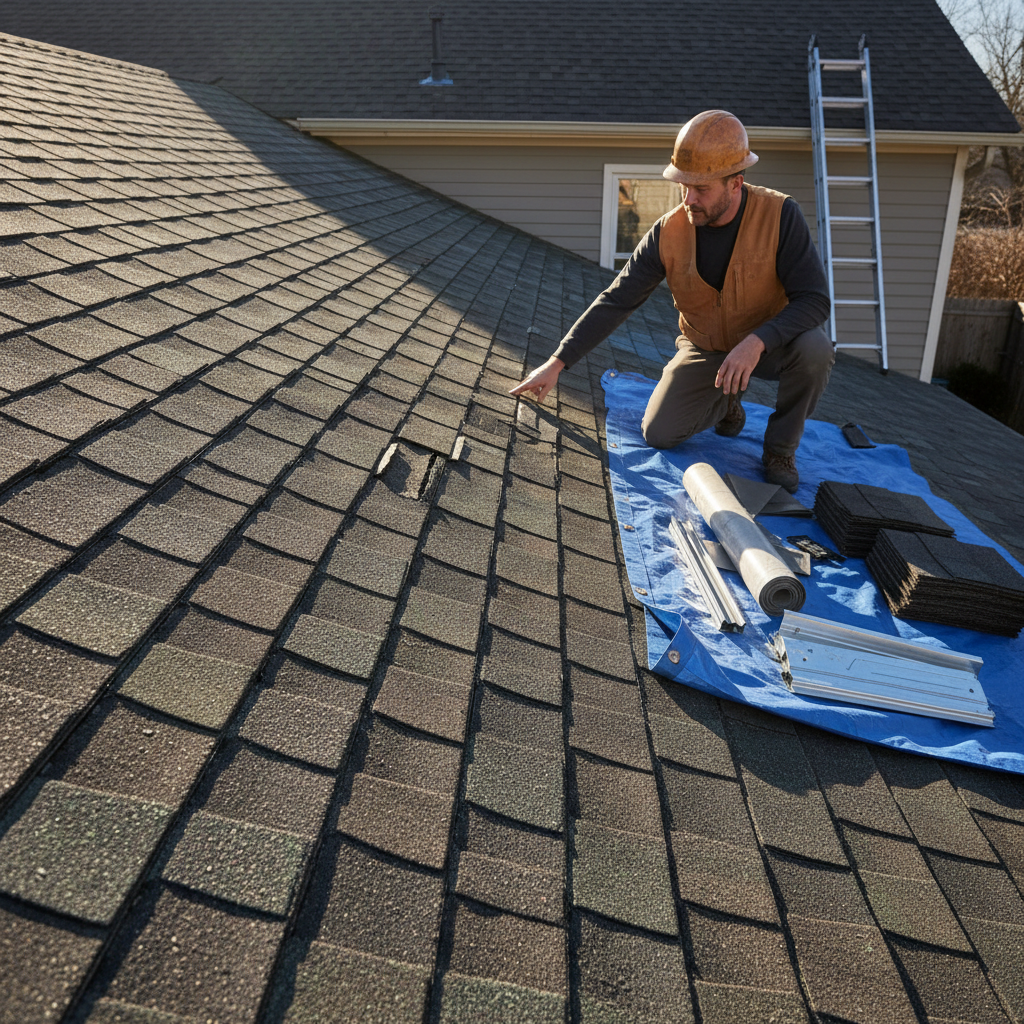
Not every roof screams for attention. Sometimes it whispers. A missing shingle here. A little sagging there. These are the subtle signs that it's time to act. Other times, it's not subtle at all—a full-on leak during a snowstorm or shingles scattered across the yard after a windstorm.
Seasonal checks help catch problems before they spiral. Fall is especially critical. You want that roof tight before the first snow load sits heavy on it. Nothing ruins December faster than realizing your roof gave up halfway through a blizzard.
And while it's tempting to patch over problems, sometimes replacement is the smarter financial move. Think of it like keeping an old car running—you can change the alternator, fix the brakes, patch the rust. But at some point, you're paying more for repairs than the car is worth. Roofs aren't much different.
Roofing as Part of the Bigger Investment Picture
Strong roofing isn't just about preventing headaches—it's part of a larger philosophy of protecting your asset. Smart investors don't just chase rent checks; they protect the systems that generate those checks.
Roofing, HVAC, plumbing, electrical—all of it matters. Neglect one and the rest eventually suffer. A property is like an ecosystem, and the roof is the canopy. It shelters everything below.
Some investors brag about the updates inside their units: stainless steel appliances, trendy light fixtures. That's fine. But the smartest ones also brag—quietly, almost smugly—about the investments nobody sees. Like the roof that's been holding strong for twenty years without complaint.
The Final Word: The Unseen Shield of Property Value
The truth is simple, even if it's not glamorous: a strong roof protects property value better than almost anything else you can invest in. It's steady, unglamorous work that pays off in long-term returns, reduced risk, and tenant satisfaction.
Sometimes the smartest money you'll ever spend on an investment property is on the thing nobody notices until it's gone. Roofs may not shine like countertops or sparkle like chandeliers, but they hold value the way a lockbox holds savings—quietly, securely, until you need it most.
So the next time you're weighing where to put your property dollars, remember: the roof above you isn't just shelter. It's strategy.
