HOW A GOVERNMENT SHUTDOWN AFFECTS THE REAL ESTATE MARKET
Our Blog
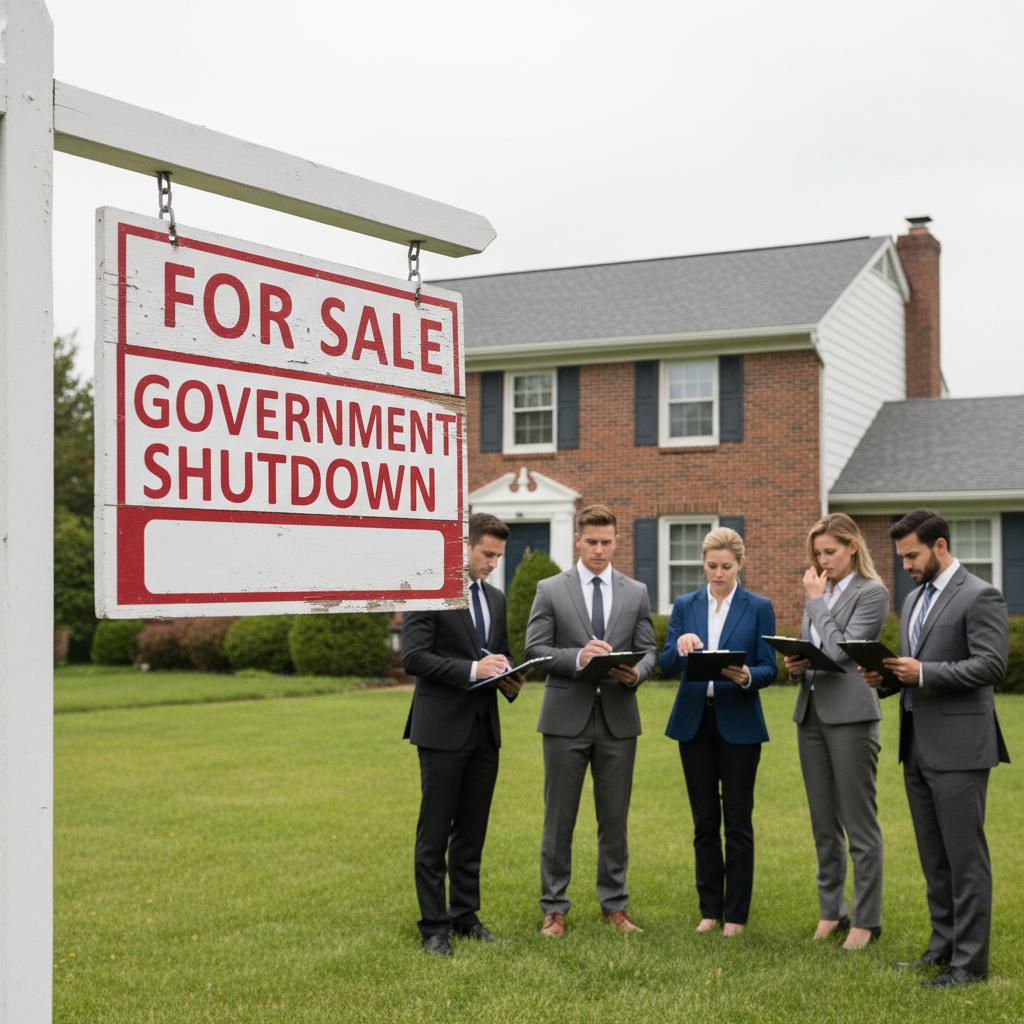
When the government shuts down, most people think about national parks closing or delayed tax refunds, but the real estate market feels the impact immediately and often more deeply than people expect. A shutdown creates uncertainty, and uncertainty is the one thing both buyers and sellers hate. Even if the shutdown lasts only a few days, the ripple effect can stretch for weeks in the housing market.
The biggest issue hits financing. Many mortgage lenders depend on government-related verifications, like IRS income transcripts (Form 4506-T), FHA processing, VA loan approvals, and USDA rural loan programs. During a shutdown, these services slow down or stop. Even when lenders can still issue loans, the additional layers of verification take longer, which means escrows stretch out and closings get delayed. In competitive markets like Los Angeles, where timing is everything, a delayed loan can be the difference between getting a deal done and losing the property to a cash buyer. For sellers, this creates hesitation because they don’t want to accept offers that might get stuck in financing limbo.
The shutdown also impacts consumer confidence. Buyers feel nervous about making big financial decisions when the news is full of uncertainty. People worry about job stability, interest rate moves, and how long the disruption will last. That hesitation usually leads to fewer showings and slower offer activity. The market doesn’t crash during a shutdown, but it enters a psychological pause. Sellers start seeing fewer buyers through the door. Buyers start playing it safe. Everyone waits.
Another overlooked factor is government employees. In Los Angeles and around the country, thousands of federal workers go temporarily unpaid during a shutdown. These buyers may put their plans on hold, and if they’re already in escrow, lenders sometimes require re-verification of employment and pay. Without pay stubs, some loans stall until the government reopens. It’s not the majority of buyers, but in markets where margins are tight, it matters.
On the rental side, shutdowns can slow or freeze certain housing assistance payments and programs. Landlords who depend on government-backed vouchers may experience delays, which can put pressure on their cash flow and make them more selective when approving applicants.
The irony is that shutdowns often slow down the flow of new listings too. Sellers who were planning to come to market may delay because they fear weak buyer activity. That lower inventory can actually keep prices stable, even while transactions drop.
For investors, downtime usually means opportunity. When the general public hesitates, investors with cash or fast financing can step in while others are waiting. In a city like Los Angeles, where real estate rarely stays quiet for long, a shutdown can create a small window where motivated sellers are more open to negotiation.
The shutdown doesn’t permanently damage the market, but it does temporarily freeze momentum. Once everything reopens, the backed-up demand usually returns quickly and the market picks up speed again. Still, for anyone buying or selling during a shutdown, the key is to prepare for delays and stay flexible. Work closely with lenders, double-check timelines, and favor buyers who have stable, verifiable financing.
Real estate always moves through cycles, and external events like a shutdown just remind everyone that timing and preparation matter. In Los Angeles, where the market is already fast-paced and sensitive to headlines, a shutdown acts like a brief pause button. When it ends, the city’s energy comes right back.