FORECLOSURES ON THE RISE: WHAT YOU NEED TO KNOW
Our Blog
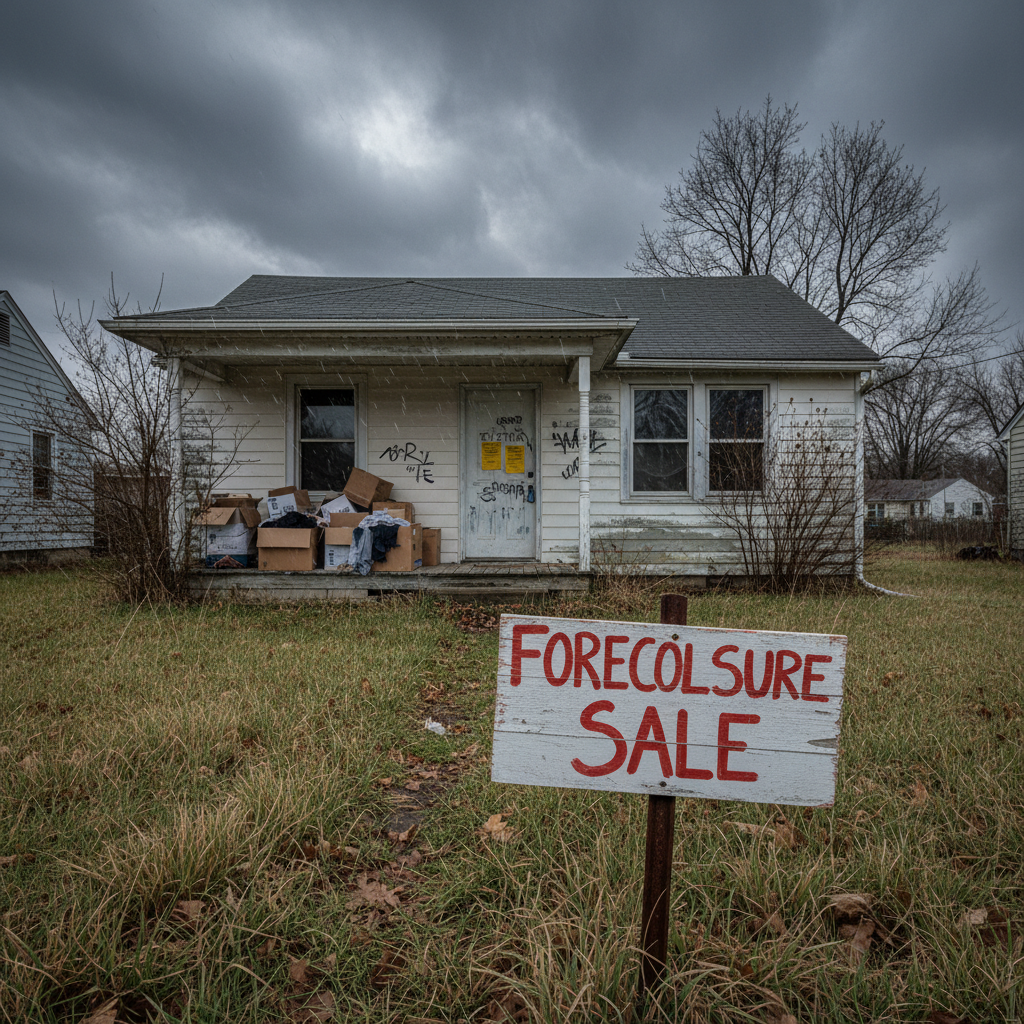
In recent months, the housing market has seen a notable shift, with foreclosure filings experiencing an unexpected uptick. While not yet reaching the crisis levels of the late 2000s, this trend warrants attention from homeowners, potential buyers, and real estate professionals alike. Understanding the factors contributing to this increase and knowing what steps to take if you’re facing financial hardship is crucial.
The Numbers Speak: A Look at the Data
Reports from companies like ATTOM have indicated a significant rise in foreclosure activity across the United States. This isn’t just a minor fluctuation; we’re seeing increases in both foreclosure starts and completed foreclosures compared to previous quarters and the same period last year. This suggests a broader trend taking hold.
What’s Driving the Increase?
Several interconnected factors are likely contributing to this rise in foreclosures:
-
Expiration of Forbearance Programs: During the pandemic, many homeowners benefited from government-backed forbearance programs that allowed them to pause mortgage payments without penalty. As these programs have ended, some homeowners are finding it difficult to resume payments, leading to delinquencies and eventual foreclosure.
-
Inflation and Rising Costs of Living: The persistent rise in inflation has impacted household budgets, making it more challenging for some to keep up with all their financial obligations, including mortgage payments.
-
Interest Rate Hikes: The Federal Reserve’s efforts to combat inflation through interest rate increases have made borrowing more expensive. While this primarily affects new mortgages, it can indirectly impact homeowners by increasing other debts (like credit card payments) and straining overall finances.
-
Job Market Volatility: While the job market has been relatively strong, certain sectors have experienced layoffs or reduced hours, leaving some homeowners in precarious financial situations.
-
Adjustable-Rate Mortgages (ARMs): Although less common than fixed-rate mortgages, some homeowners with ARMs may be seeing their interest rates adjust upwards, leading to significantly higher monthly payments that they can no longer afford.
Who is Most Affected?
The impact of rising foreclosures is not evenly distributed. Certain demographics and regions may be more vulnerable. It’s often homeowners who were already financially stretched, perhaps due to job loss, medical emergencies, or significant debt, who are most at risk when economic conditions tighten.
What Does This Mean for the Housing Market?
An increase in foreclosures typically leads to more homes entering the market, potentially increasing inventory and putting some downward pressure on home prices in affected areas. However, the current market is still characterized by relatively low inventory in many regions, so the impact on overall prices may vary. It could also present opportunities for investors and buyers looking for a deal, though navigating the foreclosure process requires careful due diligence.
If You’re Facing Foreclosure: Don’t Panic, Take Action
If you’re a homeowner struggling to make your mortgage payments, the most important thing is to act quickly and not ignore the problem. Here are crucial steps:
-
Contact Your Lender Immediately: Don’t wait until you’ve missed several payments. Your lender may have options available, such as loan modifications, repayment plans, or temporary forbearance.
-
Understand Your Options: Explore all alternatives to foreclosure. These might include:
-
Loan Modification: Changing the terms of your loan (e.g., lower interest rate, extended loan term).
-
Repayment Plan: An agreement to pay back past-due amounts over a set period.
-
Forbearance: A temporary suspension or reduction of mortgage payments.
-
Short Sale: Selling your home for less than you owe on the mortgage, with the lender’s approval.
-
Deed-in-Lieu of Foreclosure: Voluntarily giving the property deed to your lender to avoid foreclosure.
-
-
Seek Housing Counseling: HUD-approved housing counselors offer free or low-cost advice and can help you understand your options and negotiate with your lender.
-
Beware of Scams: Be cautious of companies promising to “save” your home for a fee. Always work with reputable organizations and your lender directly.
-
Know Your Rights: Familiarize yourself with your state’s foreclosure laws and your rights as a homeowner.
The recent rise in foreclosure filings is a stark reminder of the financial vulnerabilities that many households face. While the broader economic picture remains complex, understanding these trends and taking proactive steps can make a significant difference for those affected.