
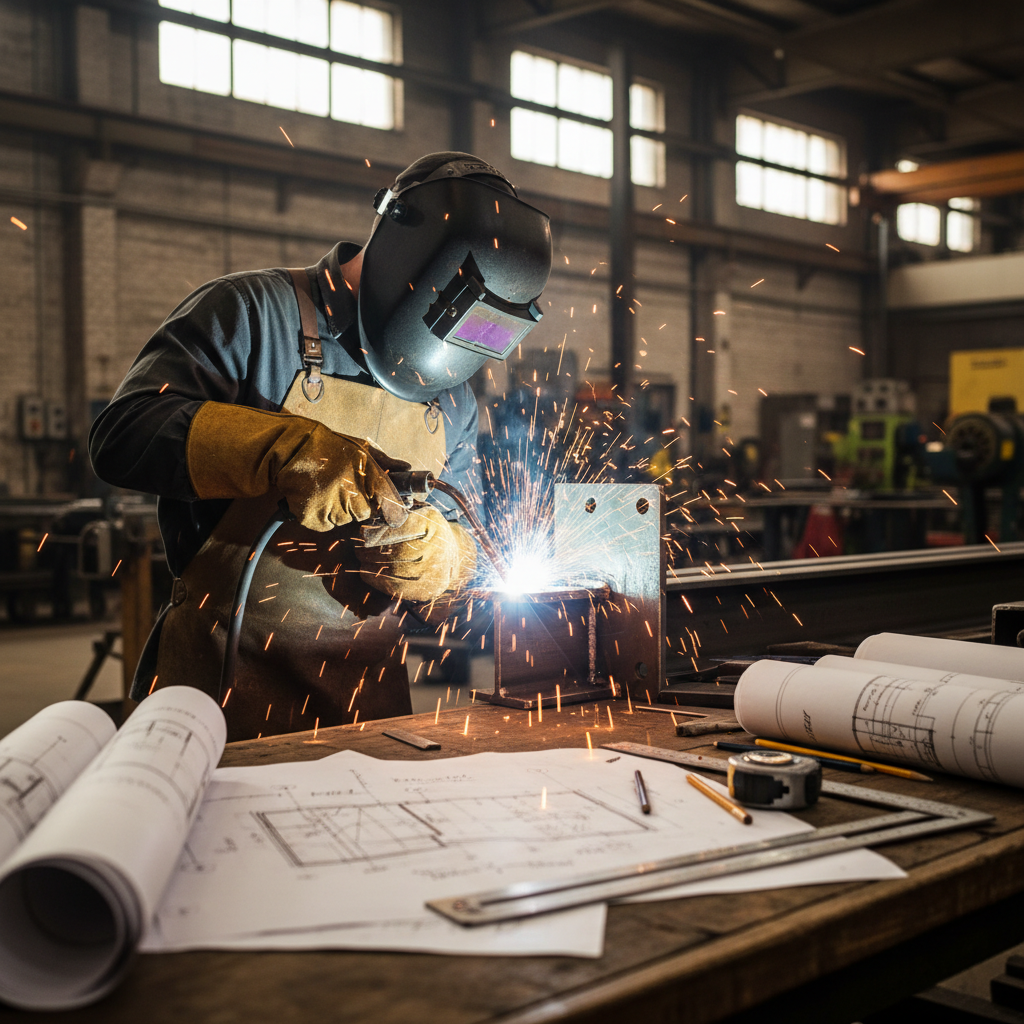
EXPLORING THE BENEFITS OF CUSTOM METAL FABRICATION IN ARCHITECTURE
Our Blog
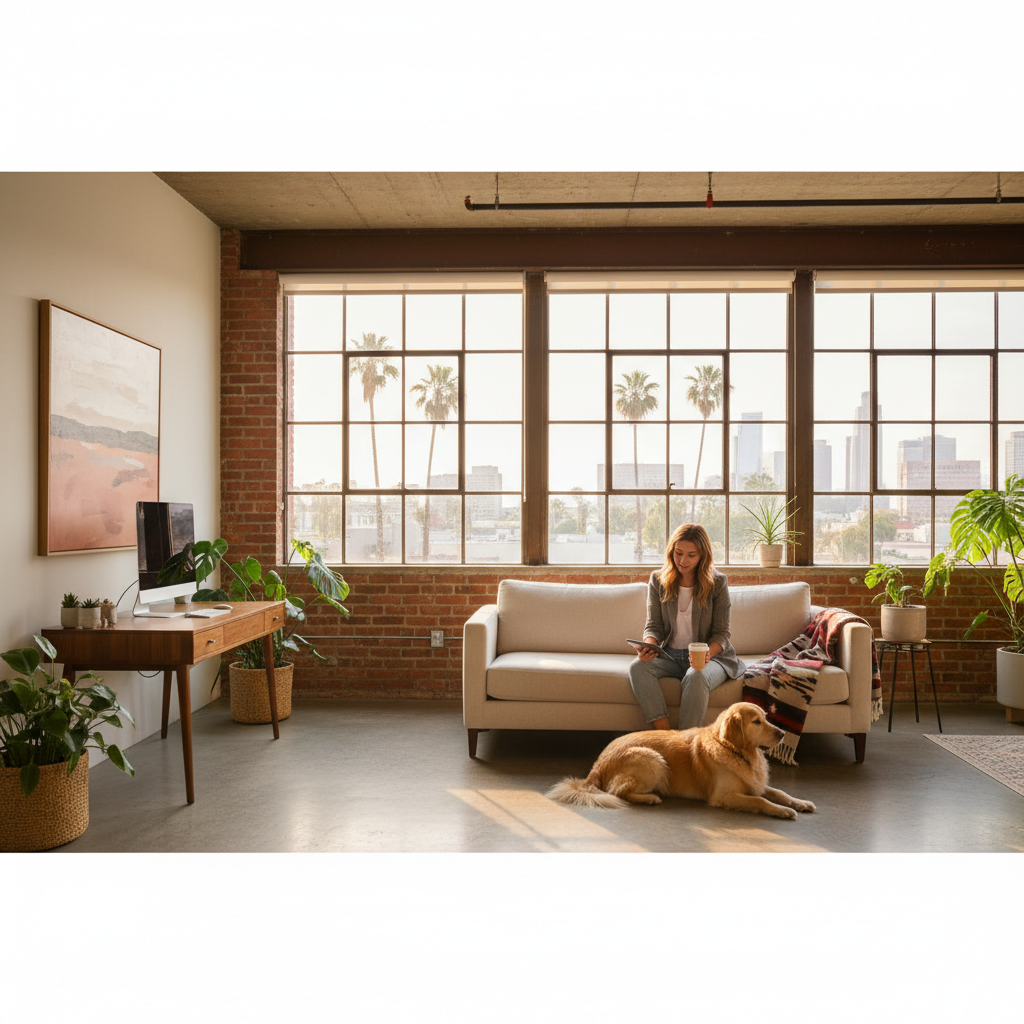
When you go down a downtown street, you can’t help but notice how the buildings have changed. Once secure and predictable skylines are now dominated by steel finishes, open interiors, and edgy lofts. Some places with loft-style living inspirations capture that energy perfectly. What’s driving it? A growing reliance on custom metal fabrication.
The idea sounds simple—shape metal into precisely what a project needs. However, in reality, it is changing the way designers operate. The outcomes are remarkable: stronger rooms that feel anything but generic, bolder aesthetics, and more smart sustainability.
Precision and Prototyping in Design
Architecture doesn’t forgive sloppy work. A single inch off, and suddenly the clean lines of a staircase don’t match, or a facade feels clunky.
This is where custom sheet metal prototypes earn their place. They allow architects to stress-test ideas before giving them the green light. It could be as simple as determining if a joint can support weight or checking how a curve appears in the daylight.
Consider this a trial run. There are no surprises when the last component is installed. It fits and works as it should.
Flexibility and Creative Freedom
Metal has a reputation for being stiff, but fabrication shows otherwise. Once it’s in the shop, sheets can twist, fold, or roll into forms that feel more like sculpture than construction. Want a staircase that spirals without looking bulky? Or balcony rails cut so fine they look like artwork? That’s all possible.
The best part is that the strength doesn’t vanish when you get creative. It’s not just decoration for decoration’s sake. Designers can finally chase big ideas without hitting the wall of “that’s impossible” because metal is surprisingly game to play along.
Durability Meets Sustainability
Good design isn’t just about what looks sharp on day one. It’s about whether it still holds up years down the road. Custom metal fabrication checks that box easily. Wood swells when it’s damp. Concrete cracks when the weather turns rough. Metal holds steady. And when a building or feature eventually comes down, the steel or aluminum doesn’t go in the trash—it gets melted and reused. That cuts down on waste while stretching the value.
In a world where builders are under pressure to think green, metal makes it easier by being both tough and recyclable.
Aesthetic Versatility
This is where metal surprises almost everyone. It doesn’t have to scream “factory floor.” With custom fabrication, the finish sets the tone. Brushed steel softens into something elegant, matte black adds edge, and polished chrome shines like a mirror. These aren’t random touches; they shift how a space feels.
Imagine an urban loft with exposed raw beams; it immediately seems contemporary and a little rebellious. The same space feels cozier and more elegant if bronze accents are used in its place. Metal is a material that never gets lost because of its capacity to change moods.
Cost-Effectiveness Over Time
Custom fabrication might seem like the pricey option. And yes, it usually costs more up front. But give it a few years, and the math starts looking friendlier. A railing built properly won’t wobble loose after one winter.
A panel designed to spec won’t need replacing in a hurry. Add in today’s fabrication technology that cuts down on waste, and suddenly “custom” feels more like thoughtfully planned planning than indulgence. It’s an investment that pays off long after the ribbon cutting.
Conclusion
Custom metal fabrication is giving architecture new tools—stronger, more creative, more sustainable. It’s proof that design doesn’t have to pick between beauty and practicality. In the right hands, metal delivers both, helping shape buildings people remember for years.