HOW TO EVALUATE LIGHT AND NOISE BEFORE BUYING AN LA LOFT
Our Blog
Most buyers walk into a loft and immediately react to the same two things: the light and the noise.
If the space feels bright, calm, and breathable, everything else tends to feel better. If it feels dark or loud, even a beautiful layout can start to feel like a compromise. That’s why light and noise deserve a hard look before you write an offer.
In Los Angeles lofts, these details can vary dramatically from one building to the next, even when square footage and finishes look similar online. A smart buyer treats them as core decision factors, not minor preferences.
Light is more than mood — it changes daily livability
Natural light affects how a home feels at 8 a.m., 2 p.m., and 8 p.m. Photos usually capture one flattering moment. Real life does not.
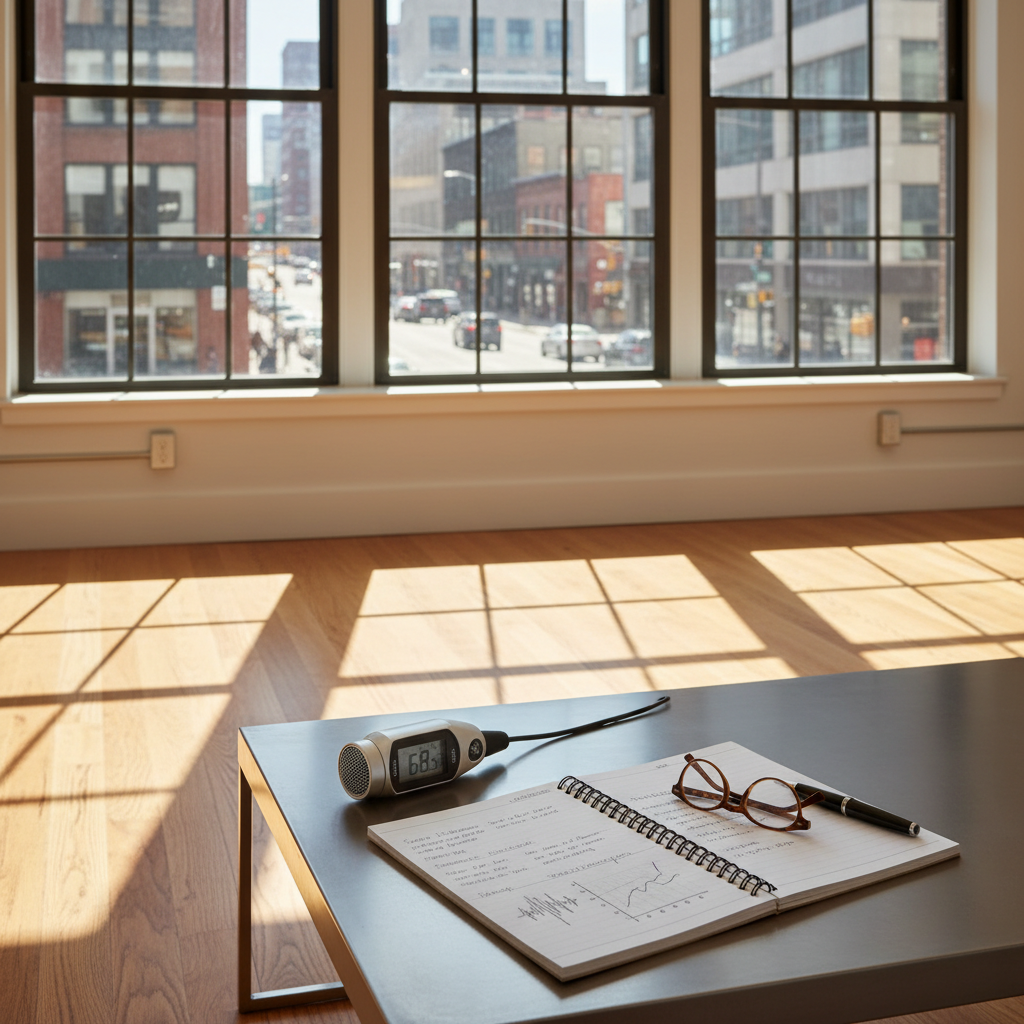
When touring, watch how light moves across the unit. West-facing lofts can look gorgeous late in the day but may run hot and glare-heavy in summer. North-facing units often stay softer and more consistent. South-facing spaces usually get strong daytime brightness. None is automatically best — it depends on your schedule and comfort preferences.
Ask yourself practical questions: Can you work without closing blinds all afternoon? Does the bedroom stay dark enough to sleep well? Do key areas rely heavily on lamps during the day? Buyers who test these things now avoid disappointment later.
Noise quality matters as much as noise level
A loft can be quiet in one corner and surprisingly loud in another. Traffic, sirens, delivery zones, nightlife, building mechanical systems, and neighboring units all shape what you hear.
During a showing, pause and listen in silence for at least 60 seconds in the living room and bedroom. Open windows, then close them. If possible, revisit during a different time window before committing.
The goal is not perfect silence — this is city living. The goal is predictable sound conditions you can comfortably live with every day.
A quick buyer check you can run in every loft
- Stand in each main room with lights off and observe true daylight.
- Check window direction and ask how heat and glare feel in summer.
- Listen with windows open and closed for at least one full minute.
- Ask about nearby bars, loading docks, and recurring night noise.
- Tour once at a second time of day before final offer terms.
What to request before you remove contingencies
If a loft is close to your target, ask the listing side for details that can reduce uncertainty: known building quiet hours, any active construction nearby, recent window upgrades, and whether residents have raised recurring noise concerns. You can also review building disclosures and meeting notes for clues about unresolved quality-of-life issues.
None of this replaces your own ears and eyes. It simply helps you avoid buying blind.
Why this matters in negotiations
When buyers identify light and noise limitations early, they can structure cleaner offers and protect themselves from avoidable regret. In some cases, these findings support pricing strategy or repair requests. In others, they’re a clear signal to keep looking.
The best outcome is not “winning” the first loft. It’s buying the right loft for your real day-to-day life.
At Loftway, we guide buyers through this with on-the-ground context, not just listing photos. Better decisions come from better observation, and light and noise are two of the most important signals in the room.