CRIME AND REAL ESTATE PRICES: HOW SAFETY SHAPES PROPERTY VALUES
Our Blog
When it comes to real estate, location isn’t just about proximity to restaurants, schools, and job centers—it’s also about how safe an area feels. Crime rates, both real and perceived, are one of the most powerful influences on property values. Buyers and renters naturally want to feel secure in their homes, and this demand (or lack thereof) has a direct impact on price.
The Psychological Factor: Perception vs. Reality
Sometimes, perception of crime can be as important as the reality. A neighborhood with occasional petty theft but a reputation for danger may experience suppressed property values simply because buyers hesitate. On the other hand, an area with moderate crime but active policing, community engagement, and visible improvement projects might maintain steady or even rising values because the perception of safety outweighs statistics.
How Crime Directly Affects Prices
-
Reduced Demand – High crime neighborhoods often see fewer interested buyers, shrinking the buyer pool and driving prices down.
-
Higher Insurance Costs – Properties in crime-prone areas may carry higher homeowners’ insurance premiums, adding another expense that deters potential buyers.
-
Rental Yields and Vacancies – Investors may avoid buying rental properties in unsafe areas, fearing vacancies, tenant turnover, and damage. This reduces competition among buyers, weakening price growth.
Types of Crime and Their Impact
-
Violent Crime (assault, robbery, homicide): These have the strongest negative effect, often pushing families and long-term buyers away.
-
Property Crime (burglary, vandalism, theft): While less impactful than violent crime, frequent property crime still lowers neighborhood desirability.
-
White Collar or Organized Crime: These don’t affect daily life as directly, so the impact on property values is typically minimal.
Redevelopment and Gentrification
Interestingly, when crime rates decline due to policing, community programs, or economic investment, property values can rise sharply. This is why areas undergoing revitalization—such as parts of Downtown Los Angeles or Harlem in New York—often experience rapid appreciation. Investors and homebuyers rush in once a neighborhood feels safer, sparking gentrification and shifting the real estate market dramatically.
Balancing Safety and Opportunity
For buyers, the key is to look beyond just crime statistics. Future trends matter more than present conditions. A neighborhood with declining crime rates may offer strong appreciation potential, while one with rising crime may present risks despite current affordability.
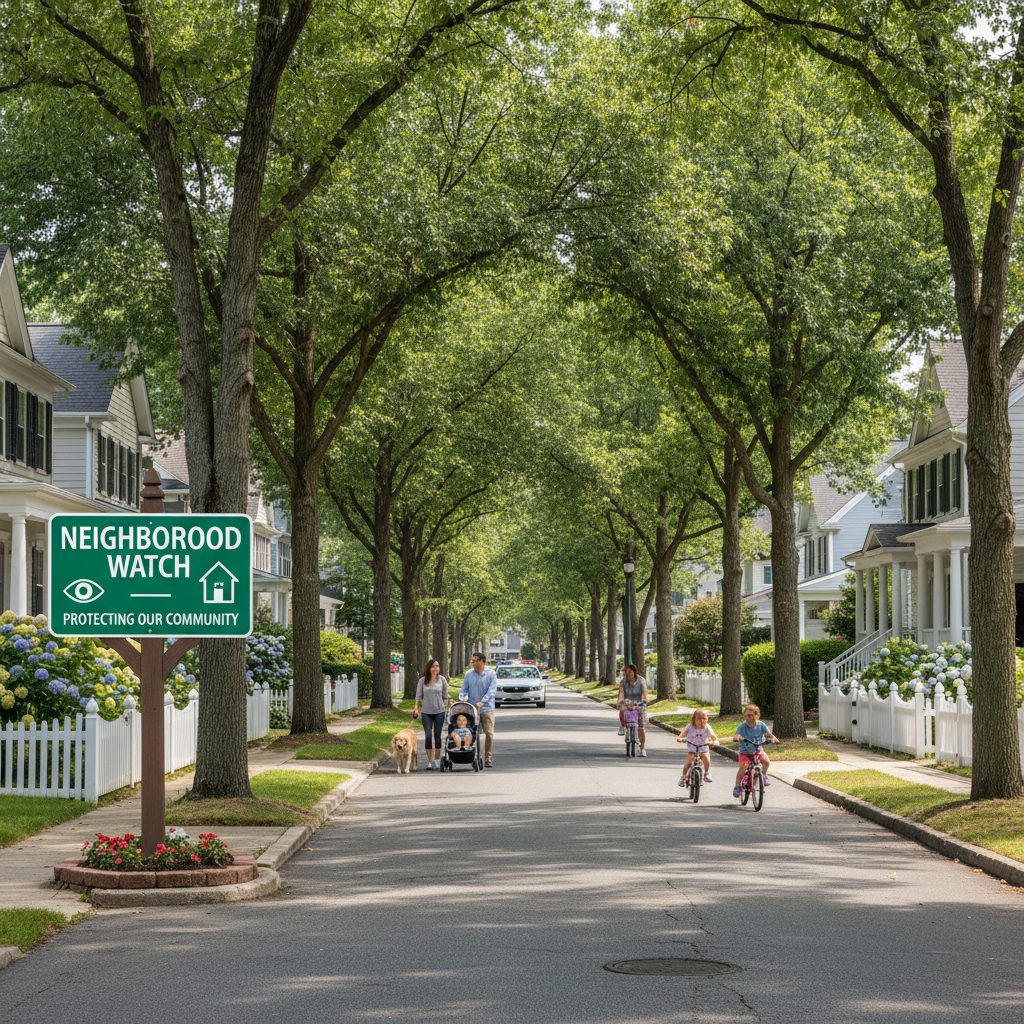
For sellers and investors, highlighting security features (gated entry, surveillance, community watch programs) and emphasizing positive neighborhood developments can help counteract negative perceptions.