
WHY CONDO OPEN HOUSES ARE HARDER THAN SINGLE-FAMILY OPEN HOUSES
Our Blog
Open houses can work for almost any property, but they do not work the same way in every building. A single-family home open house is usually simple: signs go out, buyers park nearby, walk up to the front door, and come in. A condo open house can be much more complicated before the buyer ever sees the unit.
That does not mean condo open houses are a waste of time. It means the strategy has to be different. In Los Angeles especially, the friction around access, parking, building rules, and buyer behavior can make condo open houses harder to generate traffic than single-family open houses.
Single-family open houses are easier to discover
With a house, the open house is usually visible from the street. Directional signs can guide people from major intersections. Buyers can often drive by, see activity, and make a quick decision to stop. The experience feels low-pressure because there is no front desk, call box, locked lobby, or elevator path to figure out.
That ease matters. A lot of open house traffic comes from buyers who are already in the area, neighbors who know someone looking, and people who are casually comparing homes. The fewer barriers there are, the more likely those people are to walk in.
Condo open houses have more access points to manage
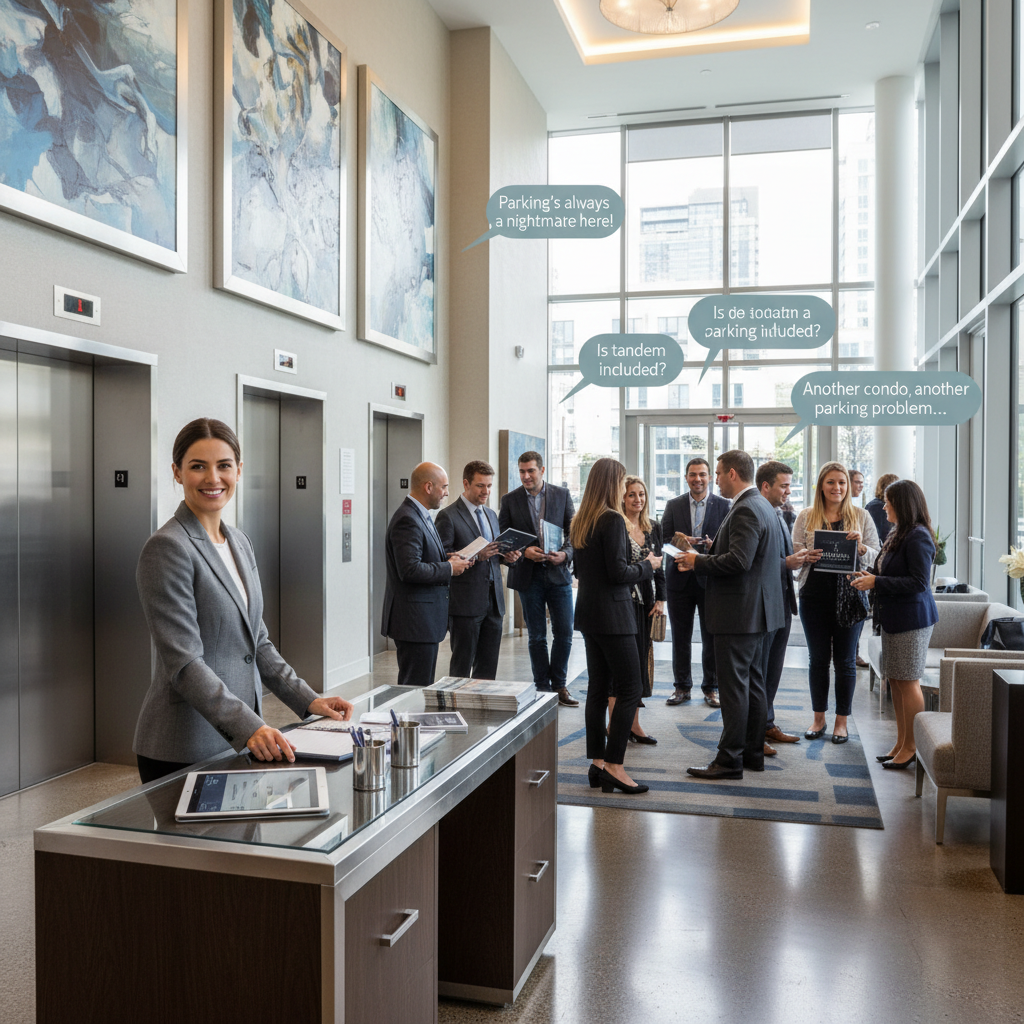
Condos introduce extra steps. Buyers may need to find guest parking, check in with security, use a call box, wait in a lobby, get buzzed in, or be escorted to the elevator. Some buildings restrict open house signage, limit where agents can stand, require advance registration, or prohibit lockboxes in certain areas.
- HOA rules: Some associations limit open house hours, signs, lockboxes, elevator use, or lobby access.
- Security: Front desks and controlled access buildings protect residents, but they also slow down buyer flow.
- Parking: If guest parking is unclear or street parking is difficult, casual buyers may leave before entering.
- Elevators and lobbies: A buyer may need instructions just to reach the unit, especially in larger buildings.
- Signage restrictions: Many condo buildings do not allow the same street-level visibility a house can use.
Every extra step reduces spontaneous traffic. The more a buyer has to think, call, wait, or guess, the fewer people make it upstairs.
Buyer behavior is different with condos
Single-family buyers often shop neighborhoods and compare homes block by block. Condo buyers tend to compare buildings, HOA dues, amenities, parking, reserves, pet rules, rental restrictions, views, noise, and floor plans. They may be more intentional and less likely to wander into a unit casually.
That means a condo open house should not rely only on foot traffic. The best buyers may come from targeted online exposure, agent outreach, private showings, and clear pre-open-house instructions. The open house becomes one part of the campaign, not the entire campaign.
What condo sellers should do differently
- Confirm HOA rules early. Know the building policy on signs, lockboxes, guest access, elevators, and open house hours before marketing begins.
- Make access instructions extremely clear. Include parking, lobby, call box, and elevator directions in the MLS remarks and showing notes.
- Use better pre-marketing. Promote the listing before the open house so serious buyers plan around the access steps.
- Coordinate with building staff. A front desk that knows buyers are coming can make the whole event smoother.
- Highlight the building, not just the unit. Buyers need to understand amenities, parking, HOA value, reserves, lifestyle, and location.
- Offer private showing flexibility. Some serious condo buyers prefer scheduled access over navigating a crowded or restricted open house.
The bottom line
A condo open house usually has more friction than a single-family home open house. That friction can reduce comparable traffic, even when the property is priced well and marketed properly. The solution is not to give up on open houses. The solution is to plan for the building.
For condo sellers, the right strategy is clear access, strong online exposure, smart agent communication, and realistic expectations about walk-in traffic. When the process is easy for buyers, the unit has a much better chance to get the attention it deserves.