
BIG-TICKET ITEMS TO INSPECT BEFORE BUYING A CONDO OR LOFT
Our Blog
Buying a condo can feel simpler than buying a house. The building takes care of the roof, exterior, landscaping, and many shared systems, right? Sometimes. But that is exactly why condo inspections require a different kind of attention.
With a condo, you are not only buying the unit. You are also buying into the building, the association, the reserve fund, the maintenance history, and the rules that determine who pays when something expensive breaks. The biggest inspection issues can affect your purchase price, your monthly costs, your financing, and your ability to resell later.
Here are the big-ticket items to look at before you remove contingencies or move forward with confidence.
1. Water Intrusion and Hidden Moisture
Water is one of the most expensive problems in any condo because the source may be inside your unit, another unit, a common wall, the roof, windows, balconies, or the building envelope.
During the inspection, pay close attention to:
- Ceiling stains, bubbling paint, soft drywall, or musty smells
- Moisture around windows, balcony doors, bathrooms, kitchens, and laundry areas
- Evidence of past leaks under sinks and around toilets
- Caulking, grout, shower pans, and tub surrounds
- Shared walls or ceilings below bathrooms in the unit above
Ask whether the inspector sees signs of an active issue or an older problem that has already been repaired. Then request HOA records covering water claims, roof leaks, plumbing repairs, window failures, and related insurance claims. A small stain may be harmless, but it can also be the visible edge of a larger moisture problem that eventually requires professional water damage restoration Charlotte NC services to address affected materials and prevent further deterioration.
2. Plumbing Systems and Shutoffs
Plumbing problems in condos can be complicated because pipes often run through shared walls, floors, and ceilings. Responsibility may depend on whether the issue is inside the unit, part of a common line, or part of a limited common element.
Your inspector should check:
- Water pressure and drainage
- Visible supply lines and drain lines
- Age and condition of the water heater
- Leaks under sinks, around toilets, and near appliances
- Functional shutoff valves
- Laundry hookups, dishwasher connections, and refrigerator water lines
Also confirm who owns and maintains the pipes behind the walls. If the building has old galvanized, cast iron, polybutylene, or aging copper plumbing, repairs can become expensive and disruptive.
3. Electrical Panel, Wiring, and Capacity
Electrical defects are not always obvious during a walkthrough, but they can affect safety, renovation plans, and insurance.
Look for:
- An outdated or recalled electrical panel
- Double-tapped breakers
- Missing GFCI protection in kitchens, bathrooms, laundry areas, and exterior spaces
- Unpermitted wiring changes
- Too few outlets for modern use
- Insufficient capacity for EV charging, induction cooking, or major renovations
If the condo is older, ask whether the building electrical infrastructure can support future upgrades. A unit may look renovated on the surface while still relying on outdated wiring behind the walls.
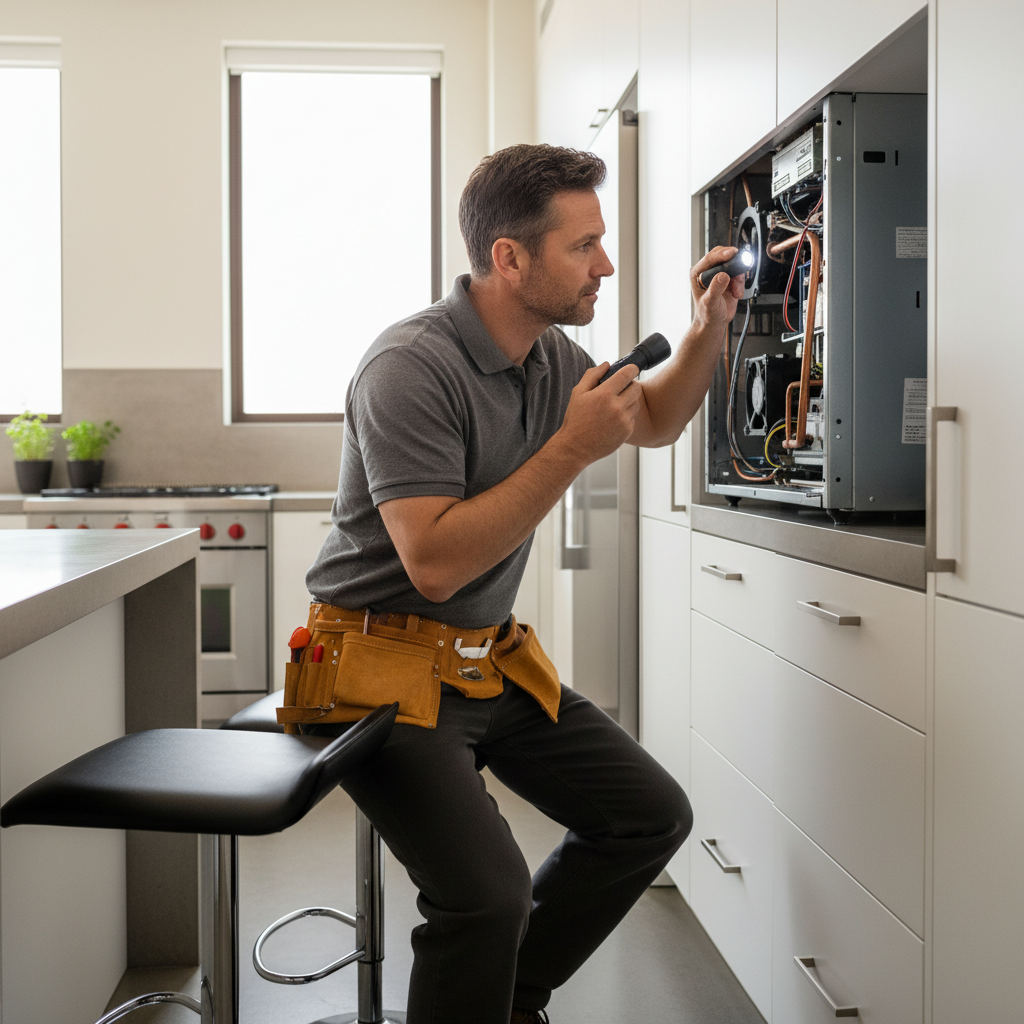
4. HVAC, Heating, and Cooling
Heating and cooling systems can be one of the most expensive unit-level repairs. In some condos, the system is owned by the unit owner. In others, the building supplies heating, cooling, or ventilation through shared systems.
Confirm:
- Age, condition, and service history of the furnace, heat pump, air handler, or mini-split
- Whether heating and cooling are individual or shared
- Filter access and airflow
- Signs of poor maintenance, rust, leaks, or noisy operation
- Whether replacement requires HOA approval
- Whether the system uses outdated refrigerant or hard-to-source parts
Also check ventilation in bathrooms, kitchens, and laundry areas. Poor ventilation can create moisture problems that show up later as mold, peeling paint, or odors.
5. Windows, Doors, Balconies, and Exterior Openings
Windows and exterior doors are common sources of leaks, drafts, noise complaints, and costly replacement projects. In condos, they may be your responsibility, the association’s responsibility, or a shared responsibility.
Inspect:
- Fogged double-pane windows
- Damaged seals or failed weatherstripping
- Hard-to-open sliders or windows
- Water staining near frames
- Balcony slope, railing stability, surface cracks, and drainage
- Exterior door thresholds and flashing
Before closing, read the HOA documents to see who pays for window, balcony, railing, and exterior door repairs. These items can become major special assessment triggers if the whole building needs work.
6. Appliances and Built-In Systems
Appliances may not make or break every deal, but replacing several at once can add thousands of dollars immediately after closing.
Check:
- Refrigerator, range, oven, microwave, dishwasher, washer, and dryer
- Garbage disposal and exhaust fan
- Ice maker and water line
- Appliance age, installation quality, and recalls
- Whether ventless dryers or range hoods are operating correctly
If appliances are included in the sale, make sure the contract and inspection report reflect what is staying and what condition it is in.
7. Structural Clues Inside the Unit
In a condo, you may not be able to inspect the full structure the way you could in a single-family home. Still, your unit can provide clues.
Watch for:
- Cracks that are wide, spreading, or stair-stepped
- Uneven floors or doors that do not close properly
- Gaps around windows, baseboards, and trim
- Sagging ceilings
- Repeated repairs in the same location
Most small cosmetic cracks are not a crisis, but patterns matter. If the inspector sees movement or settlement concerns, ask whether a structural engineer should review the building or whether the HOA has related records.
8. Sound Transfer and Neighbor Impact
Noise is not always covered in a standard inspection, but it can affect your quality of life and resale value.
Pay attention to:
- Footsteps from above
- Elevator, garage, trash chute, gym, pool, or mechanical room noise
- Street noise through windows
- Shared wall sound transfer
- Rules about flooring, rugs, pets, and quiet hours
Visit the property at different times if possible. A quiet 11 a.m. showing may not reveal what the unit feels like at 7 p.m. or early in the morning.
9. HOA Reserves, Special Assessments, and Building Maintenance
This is one of the biggest condo inspection categories, even though it is not limited to the physical walkthrough. A beautiful unit in a poorly funded building can become an expensive purchase.
Review:
- Reserve study
- HOA budget
- Meeting minutes
- Recent and upcoming special assessments
- Insurance coverage and deductibles
- Litigation, construction defect claims, or major disputes
- Deferred maintenance on roofs, elevators, siding, plumbing, balconies, parking, and common areas
If the reserve fund is thin or the building has delayed major repairs, you may face higher dues, special assessments, or financing complications.
10. Common Areas and Shared Building Systems
Walk more than the unit. The common areas tell you how the building is maintained.
Look at:
- Roof condition if accessible or documented
- Parking garage cracks, leaks, drainage, and lighting
- Elevators and inspection certificates
- Hallways, stairwells, gates, and exterior lighting
- Trash rooms and utility rooms
- Fire alarms, sprinklers, extinguishers, and emergency exits
- Landscaping, drainage, retaining walls, and exterior paint
Common area neglect can be a warning sign. If the building looks tired, undermaintained, or patched together, dig deeper before committing.
11. Insurance and Financing Red Flags
Some inspection findings do not just affect repair costs. They can affect whether the lender, insurer, or buyer can move forward.
Ask about:
- HOA master insurance coverage
- High deductibles
- Flood, earthquake, wind, or fire risk
- Percentage of owner-occupied units
- Pending litigation
- Short-term rental rules
- Deferred maintenance that may concern lenders
The right question is not only, “Can I live with this issue?” It is also, “Will this issue affect my loan, insurance premium, monthly payment, or resale options?”
What to Do With the Inspection Findings
Once the inspection is complete, separate findings into three groups:
- Immediate safety or habitability issues
- Expensive repairs or replacement items
- Maintenance items you can plan for after closing
Then compare the report against the HOA documents. The most important question is often not whether something needs repair, but who is responsible for paying for it.
Depending on the findings, you may be able to:
- Request repairs before closing
- Ask for a seller credit
- Renegotiate the purchase price
- Require additional specialist inspections
- Ask the HOA for records or clarification
- Walk away if the risk is too high
Final Takeaway
A good condo inspection looks beyond fresh paint, new countertops, and attractive staging. The real value is in understanding the expensive systems, shared responsibilities, and building-level risks that could affect your purchase.
Before you buy, inspect the unit, study the building, read the HOA documents, and make sure you know where your responsibility ends and the association’s begins. That clarity can save you from surprise repairs, special assessments, and buyer’s remorse after closing.