ARTS DISTRICT LA: BEST HISTORIC LOFT BUILDINGS & MARKET GUIDE
Our Blog
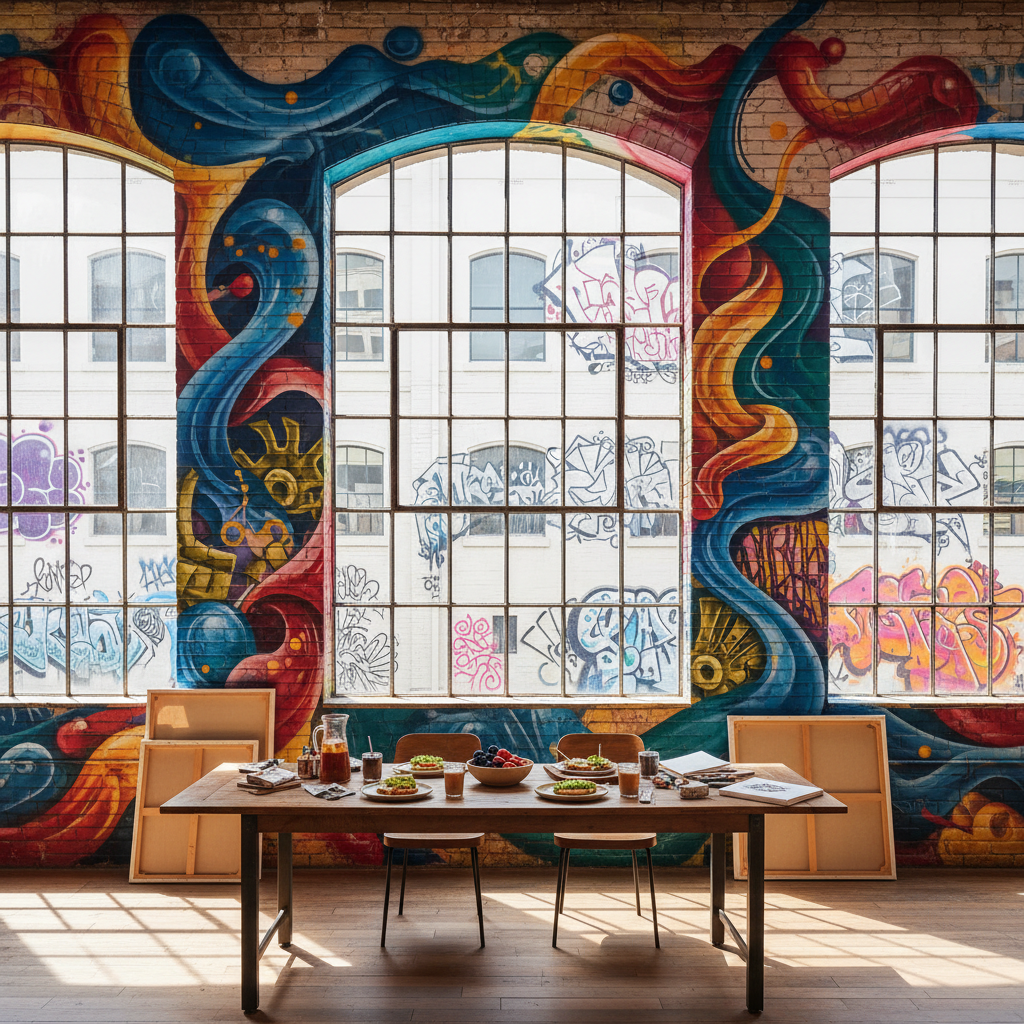
The Arts District is where industrial Los Angeles became cool again. What was once a gritty warehouse zone filled with rail yards and factories is now one of the most sought-after loft neighborhoods in the city. Exposed brick, heavy timber beams, polished concrete floors, rooftop pools, creative energy — it’s the closest thing LA has to true New York-style loft living.
If you’re looking to buy or invest in the Arts District, here’s a breakdown of the most iconic loft buildings and what you should know about the market.
The Most Desirable Loft Buildings in the Arts District
1. Biscuit Company Lofts
Originally built in 1925 as the National Biscuit Company factory, this is arguably the crown jewel of Arts District loft living. Massive windows flood units with natural light. Interiors feature exposed brick, heavy wood beams, and dramatic ceiling heights. The rooftop pool and lounge areas give it a luxury feel while still maintaining authentic industrial character. Units here command premium pricing for good reason.
2. Molino Street Lofts
Built in 1923 and converted to residential lofts in the early 2000s, Molino offers classic concrete loft architecture. Expect tall ceilings, polished concrete floors, and oversized windows. The rooftop pool and skyline views are standout features. It’s slightly more understated than Biscuit Co., but still very desirable and often a better value per square foot.
3. Barker Block
Barker Block blends historic warehouse structures with newer construction. You’ll find exposed brick and timber in the original sections, while newer units feel more contemporary. The rooftop pool deck with panoramic Downtown views is one of the best in the neighborhood. It attracts buyers who want character but also modern amenities and parking convenience.
4. Toy Factory Lofts
Originally built in 1924 for the Star Truck and Toy Company, these buildings offer true industrial authenticity. Think exposed brick walls, steel-framed windows, wood beams, and creative live/work energy.
5. Beacon Lofts
Beacon Lofts sits slightly closer to Little Tokyo but remains part of the broader Arts District conversation. Built in 1923, it offers concrete construction, open layouts, and a rooftop pool. Units here are often more affordable relative to Biscuit Co., making it a strong entry point for buyers wanting Arts District exposure.
What Makes Arts District Lofts Different?
Arts District lofts aren’t cookie-cutter condos. They’re adaptive reuse buildings with real history. That means:
• 12–18+ foot ceilings
• Exposed brick, concrete, and steel
• Large factory windows
• Open floor plans ideal for creative layouts
• True live/work flexibility
These buildings were designed for industry, not residential living — and that’s exactly the appeal.
Arts District Market Guide (2026)
The Arts District remains one of the most supply-constrained submarkets in Downtown Los Angeles.
Prices per square foot are typically higher than South Park due to scarcity and architectural appeal. Fully renovated units with preserved original details command the strongest premiums. Raw or minimally updated lofts often present the best upside for buyers willing to customize.
Inventory tends to move in waves. When multiple units hit at once, buyers gain leverage. When supply tightens — especially in Biscuit Co. or Toy Factory — competition increases quickly.
Most buyers fall into three categories:
Creative professionals who want authentic loft living
Remote workers seeking large flexible spaces
Investors targeting long-term appreciation in a lifestyle-driven neighborhood
Buying Tips for Arts District Lofts
Seismic retrofits matter. Always confirm structural updates and building history.
HOA fees vary significantly between buildings — especially those with rooftop pools and concierge services.
Noise and layout should be considered carefully. Open lofts look amazing but require thoughtful space planning for privacy.
Final Thoughts
The Arts District is no longer emerging — it’s established. But it’s still limited. These historic buildings can’t be replicated, and that’s what keeps demand steady.
If you want true industrial architecture with walkability to coffee shops, breweries, galleries, and some of the best dining in Downtown LA, this is the neighborhood.
And if you’re serious about buying in one of these buildings, knowing the subtle differences between them can make all the difference.